2025 Review
Danube Day 2025, held under the motto “Our Danube, Our Future!”, brought together countries and communities across the Danube River Basin. The event once again highlighted regional cooperation, with activities ranging from high-level meetings to interactive public events.
Danube Day marks the anniversary of the Danube River Basin Protection Convention, signed in Sofia, Bulgaria, on 29 June 1994. This significant treaty aims to ensure sustainable and equitable management of the Danube's surface waters and groundwater. Danube Day is more than just a commemoration; it's a call to action.
It invites everyone, from local communities to international stakeholders, to participate actively in the protection and preservation of the waters of the Danube River. This event shows the strong bond between the river and its people, highlighting our shared responsibility to look after this vital resource. Every year, Danube Day invites the 79 million people in the 14 countries of the Danube River Basin countries to celebrate one of Europe's greatest river systems, along with the rich diversity of people and wildlife that rely on it.
Austria
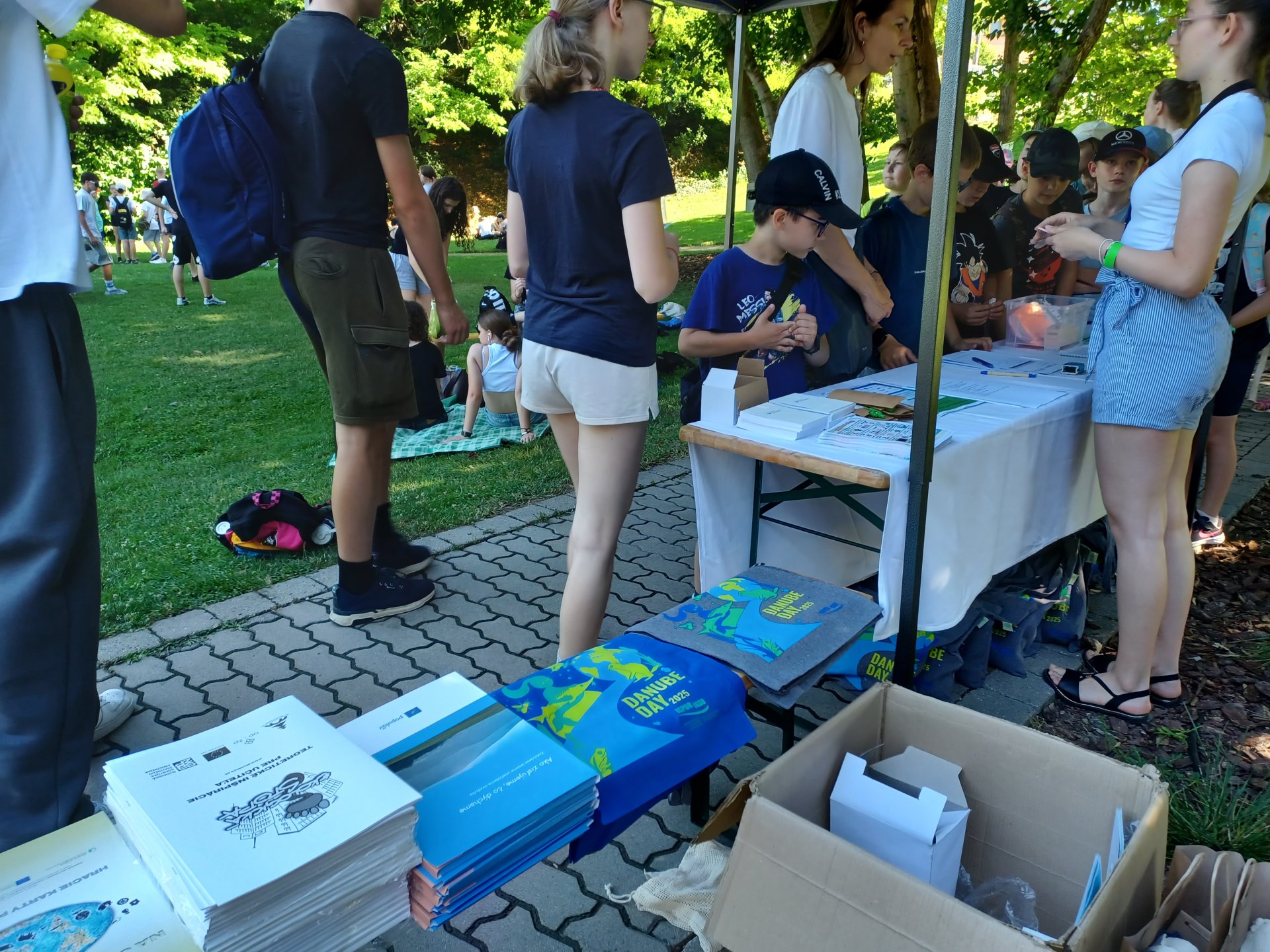
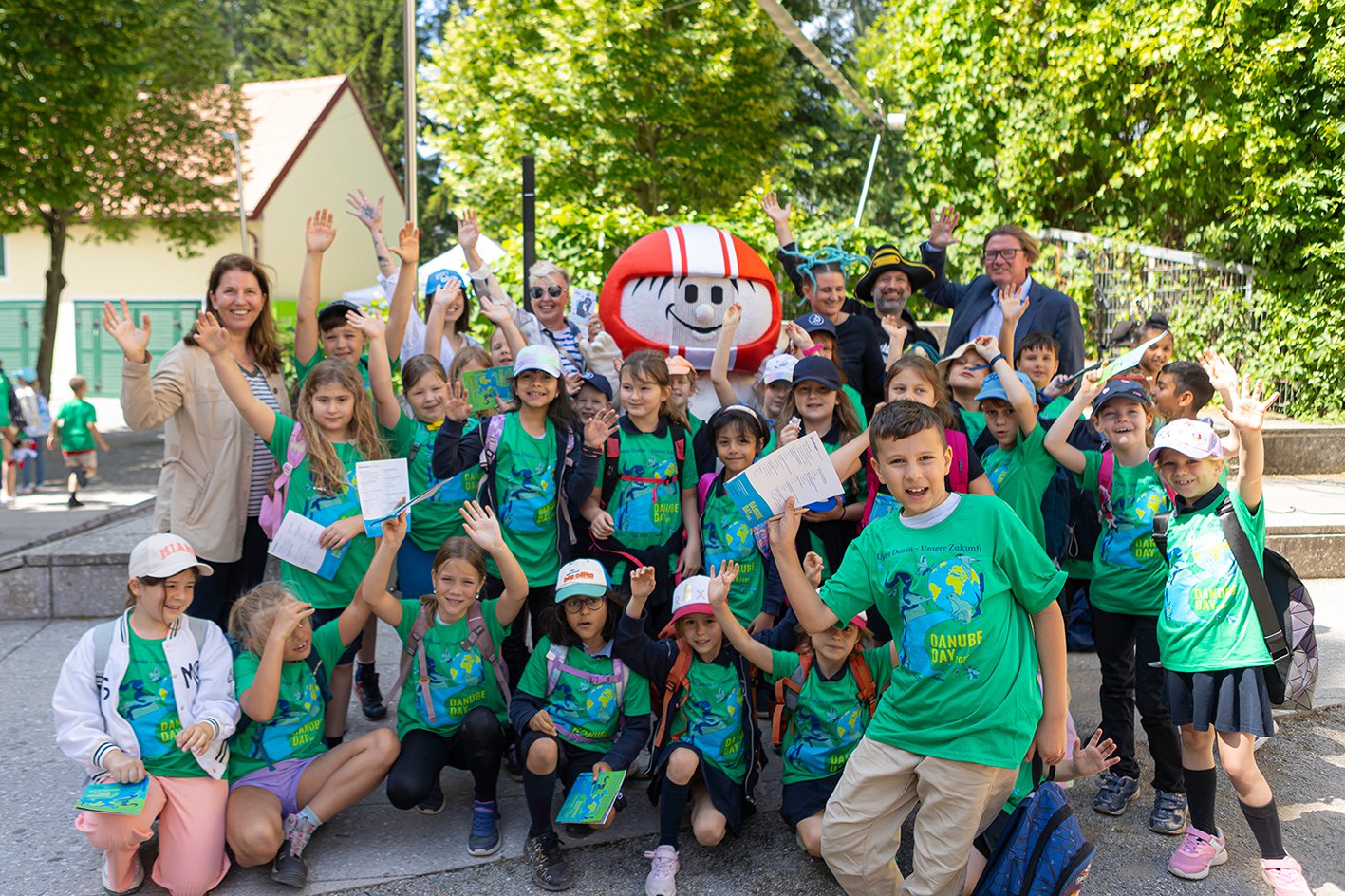
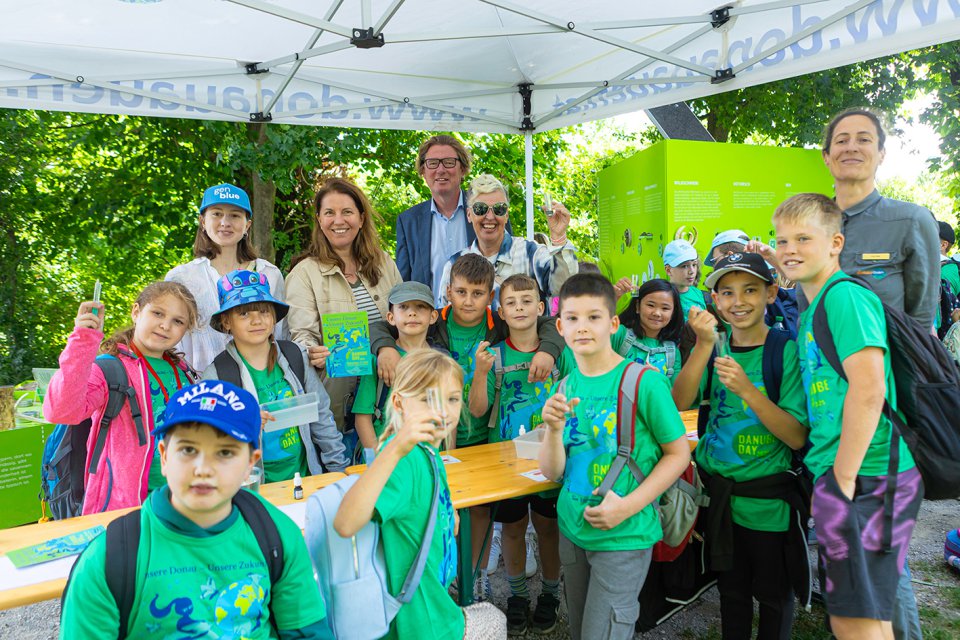
On 17 June, 420 school children from Vienna and Lower Austriatook part in Danube Day celebrations at the schlossORTH Center in the Donau-Auen National Park. Under the motto “Our Danube, Our Future!”, the event highlighted the Danube’s ecosystems, flood protection, and nature conservation through ten interactive learning stations.
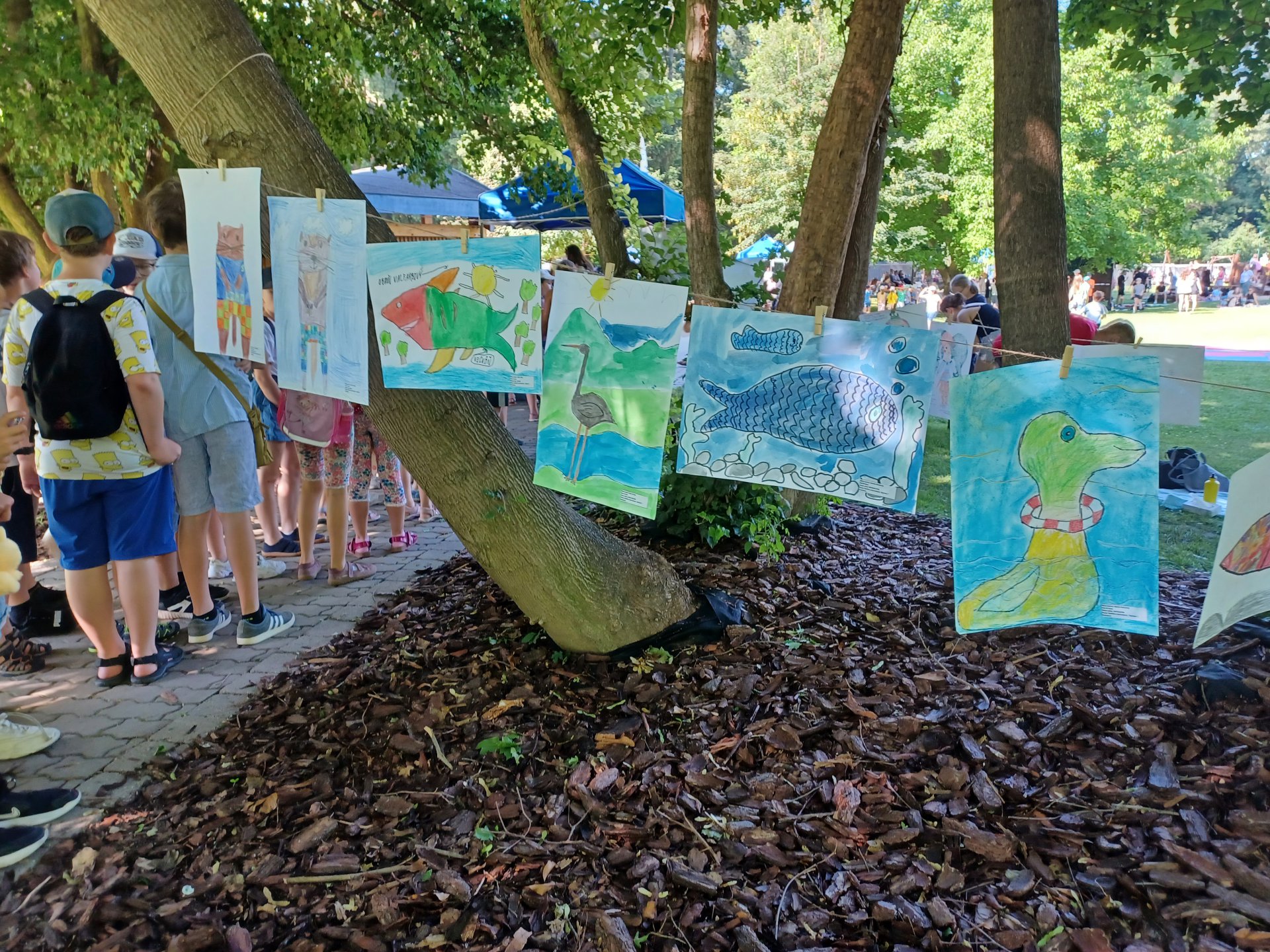
Children explored flood safety with the “Helmi” mascot and the youth platform gen blue, hydrology via a model river, sturgeon conservation as part of the LIFE-Boat4Sturgeon project, and the biodiversity of the floodplains with National Park rangers. Further stations covered topics such as amphibians, invasive species, and the WILDisland project on Danube islands, along with creative activities linked to the Danube Art Master competition. A puzzle pass encouraged groups to complete all stations.
For the first time, the programme was extended into the afternoon, with an additional 120 children from local after-school groups joining. A highlight for all participants was a live performance by Die Donaupiraten.
The event was organised by the Bundesministerium für Land- und Forstwirtschaft, Klima- und Umweltschutz, Regionen und Wasserwirtschaft – BMLUK (Federal Ministry of Agriculture, Forestry, Climate and Environmental Protection, Regions and Water Management) together with gen blue, Stadt Wien – Wiener Gewässer (City of Vienna – Vienna Waterbodies), and viadonau – Österreichische Wasserstraßen-Gesellschaft (viadonau – Austrian Waterway Company), in cooperation with the Nationalpark Donau-Auen (Danube-Auen National Park), Österreichische Bundesforste (Austrian Federal Forests), Bundesamt für Wasserwirtschaft – BAW (Federal Office for Water Management), Universität für Bodenkultur Wien – BOKU (University of Natural Resources and Life Sciences, Vienna), the Netzwerk der Donauschutzgebiete DANUBEPARKS (Danube Protected Areas Network) with the WILDisland project, and the Umweltdachverband (Environmental Umbrella Association).
Czech Republic
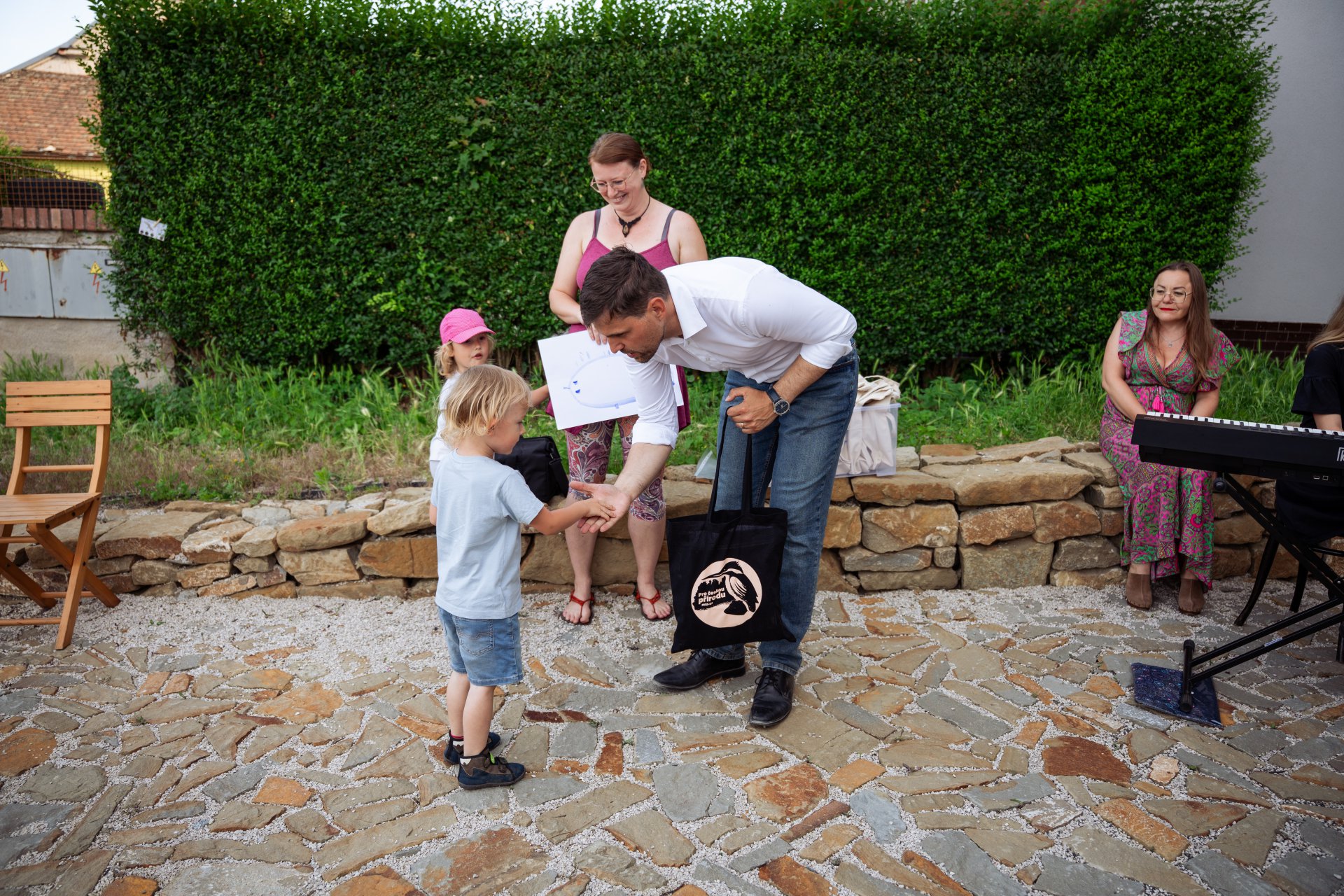
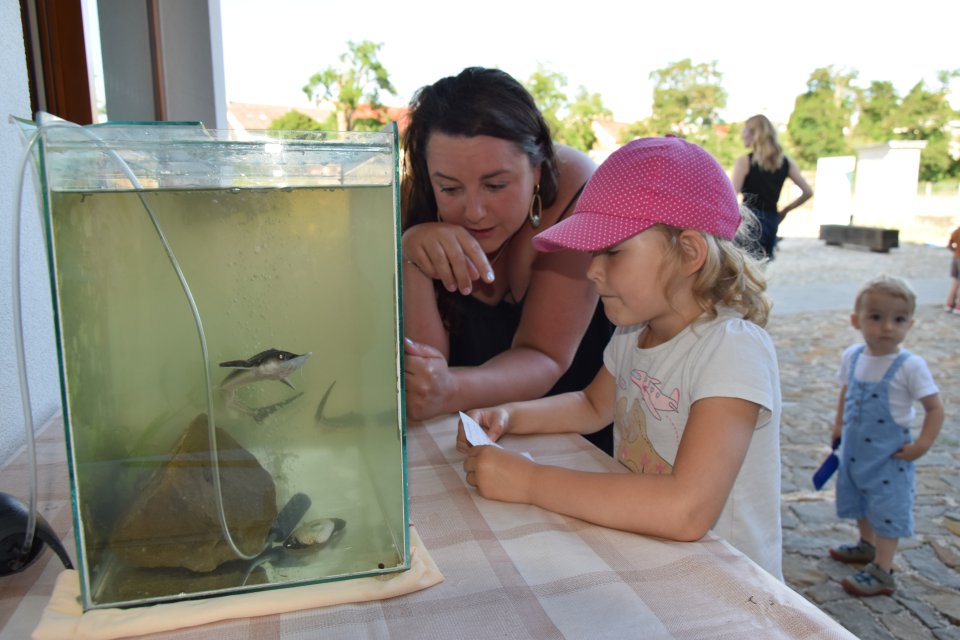
Danube Day 2025 was marked by two events in the Czech Republic. On 21 June, the Dům přírody Bílých Karpat (White Carpathian House of Nature) in Veselí nad Moravou hosted Danube Day for the first time, supported by Erste Group. Families enjoyed an evening of educational and cultural activities at the visitor centre and along the Morava River, including quizzes, an art competition, face painting, and live folk music. Children were particularly delighted by live baby sturgeons in an aquarium, which were later released into the river. The Minister of the Environment, Petr Hladík, attended, gave a speech, and handed out Danube bags with small gifts to children who completed activities. Around 60 people took part, mainly local families with children.
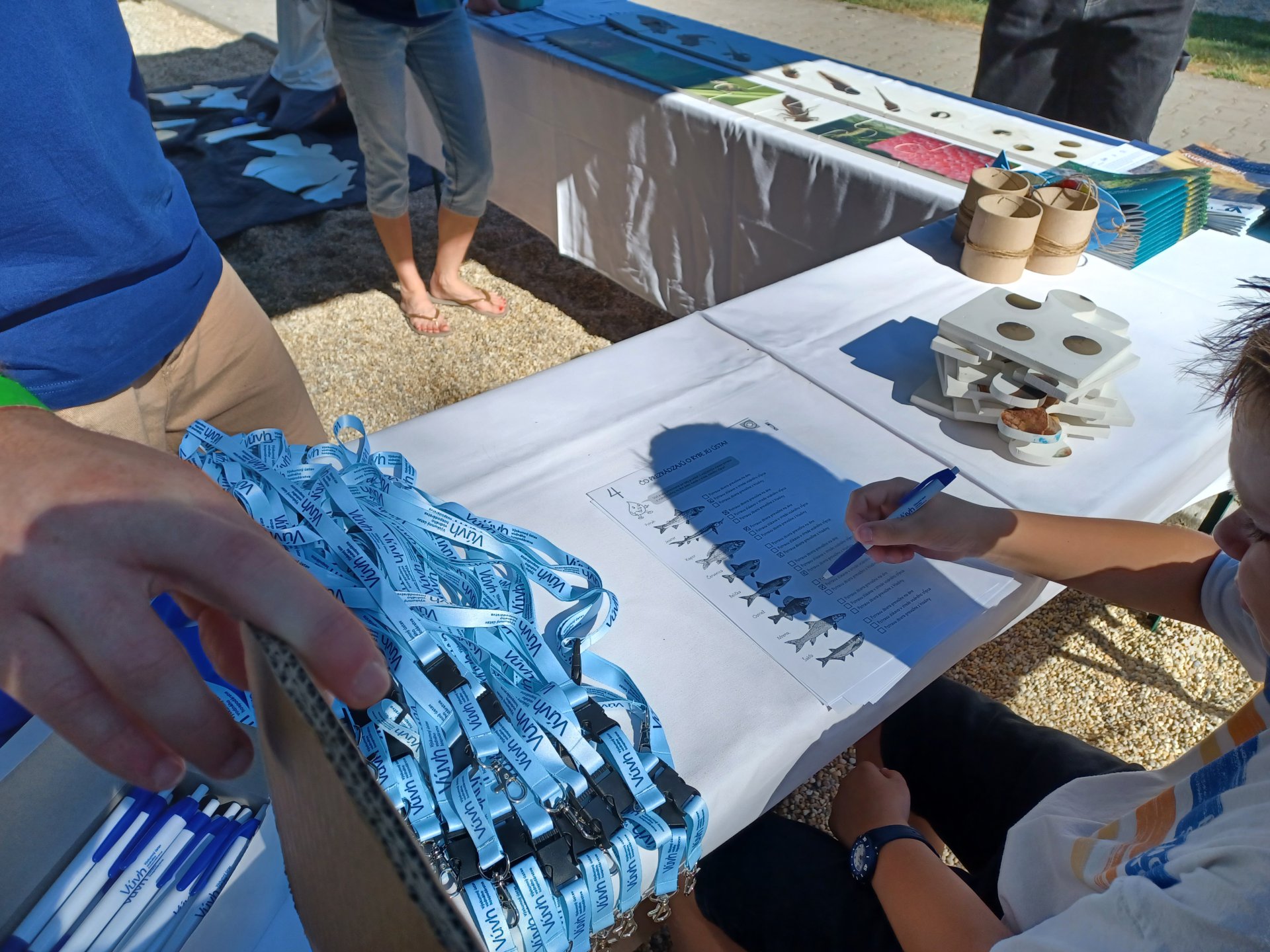
On 24 June, the Výzkumný ústav vodohospodářský T. G. Masaryka (T. G. Masaryk Water Research Institute) in Prague held its traditional open day, co-organised with the Ministerstvo životního prostředí (Ministry of the Environment). Visitors joined guided tours of riverbed and dam models, water quality laboratories, and an experimental wastewater treatment plant. At the entrance, a Danube-themed workshop offered painting, worksheets, and live crayfish for children, while adults received informational materials. About 110 people participated, including 80 schoolchildren and 30 adults.
Together, the events combined interactive learning, family activities, and scientific demonstrations, reaching nearly 170 participants.
Croatia
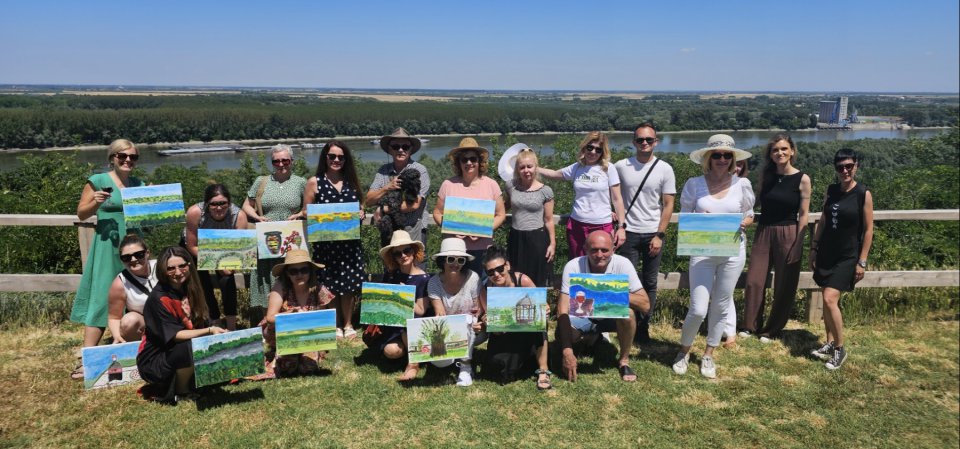
In Croatia, Danube Day 2025 brought together around 800 participants through a series of cultural, educational, and nature-based events. The traditional Danube Fest in Vukovar featured a diverse programme of performances and community activities, all with rich cultural and educational roots.
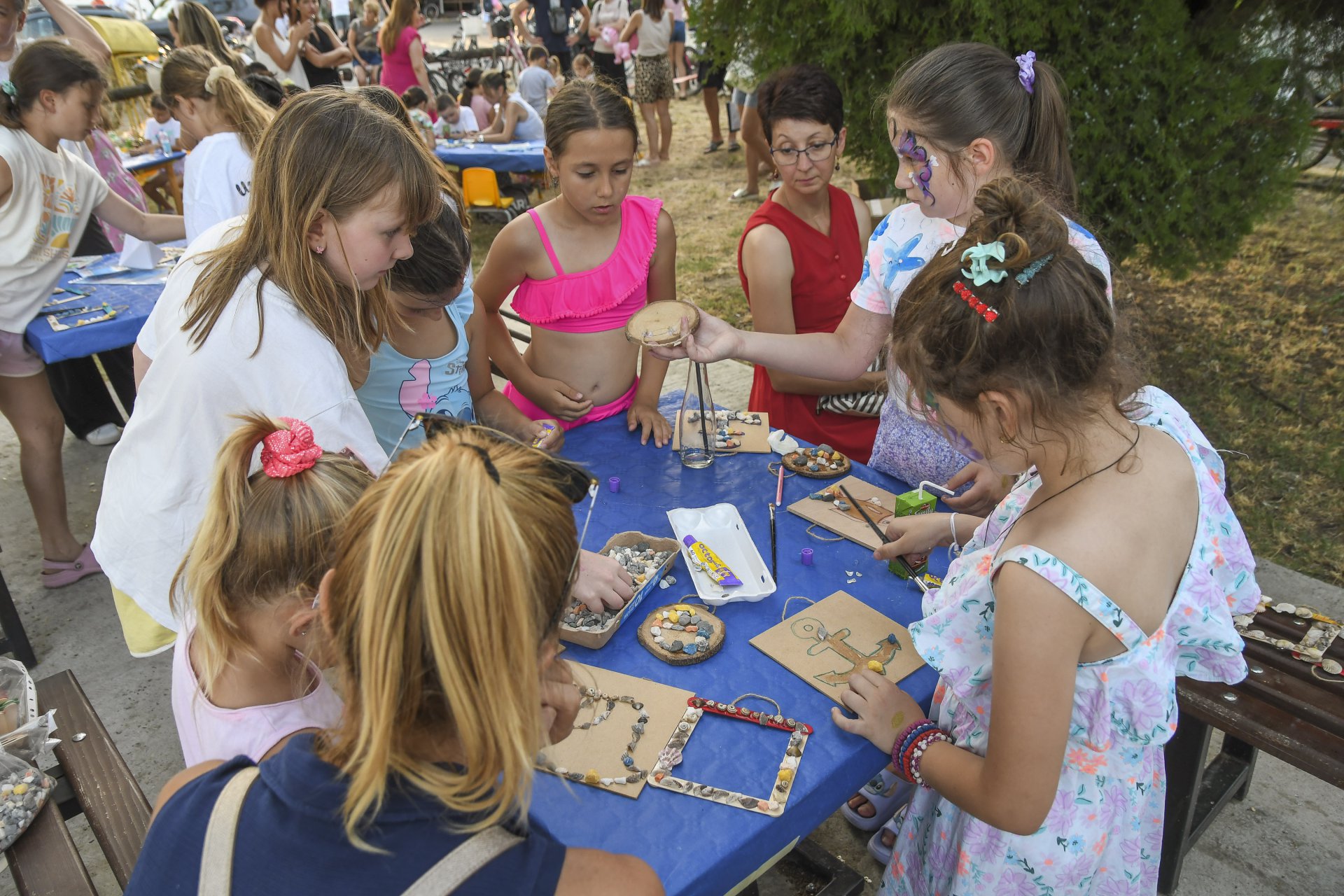
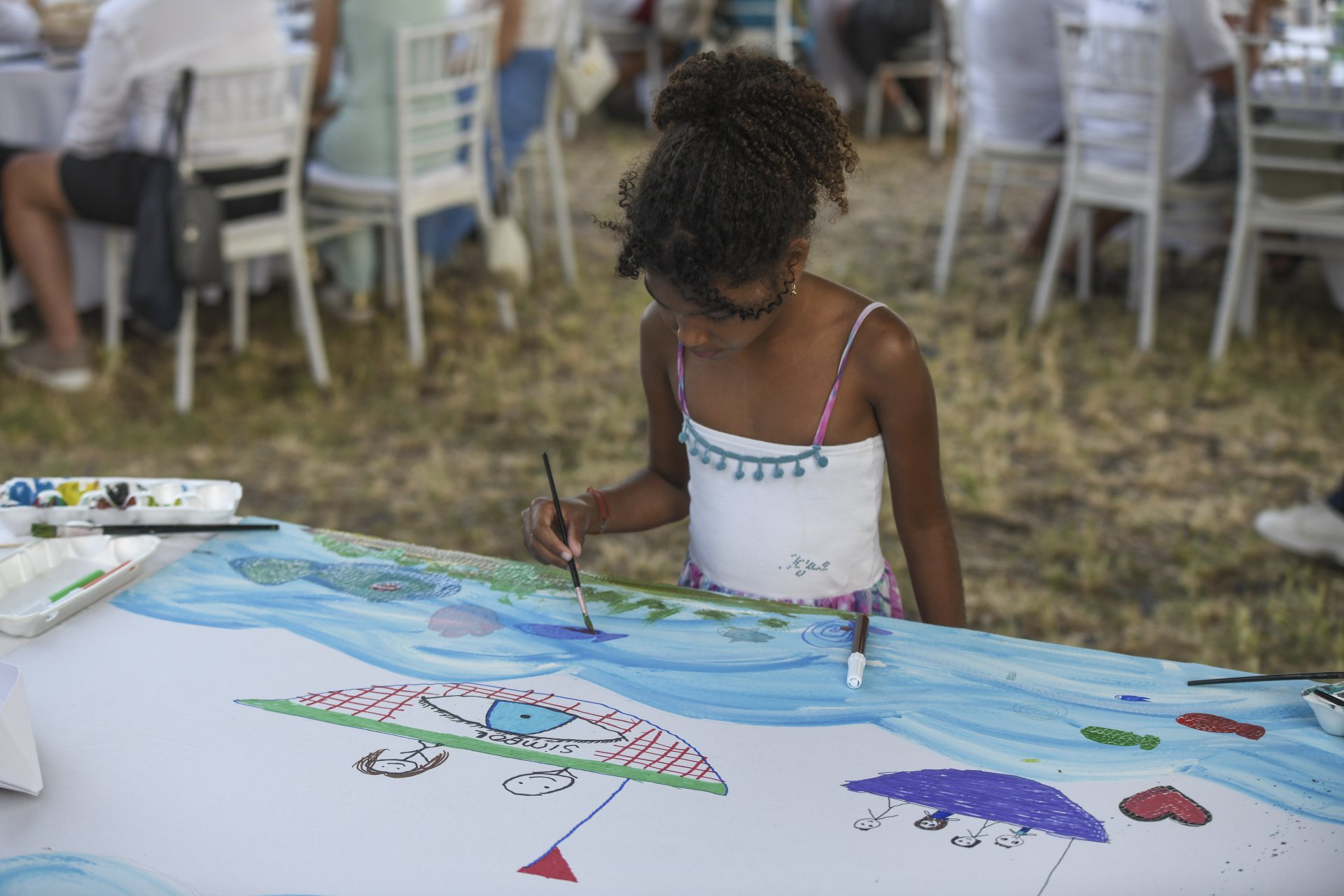
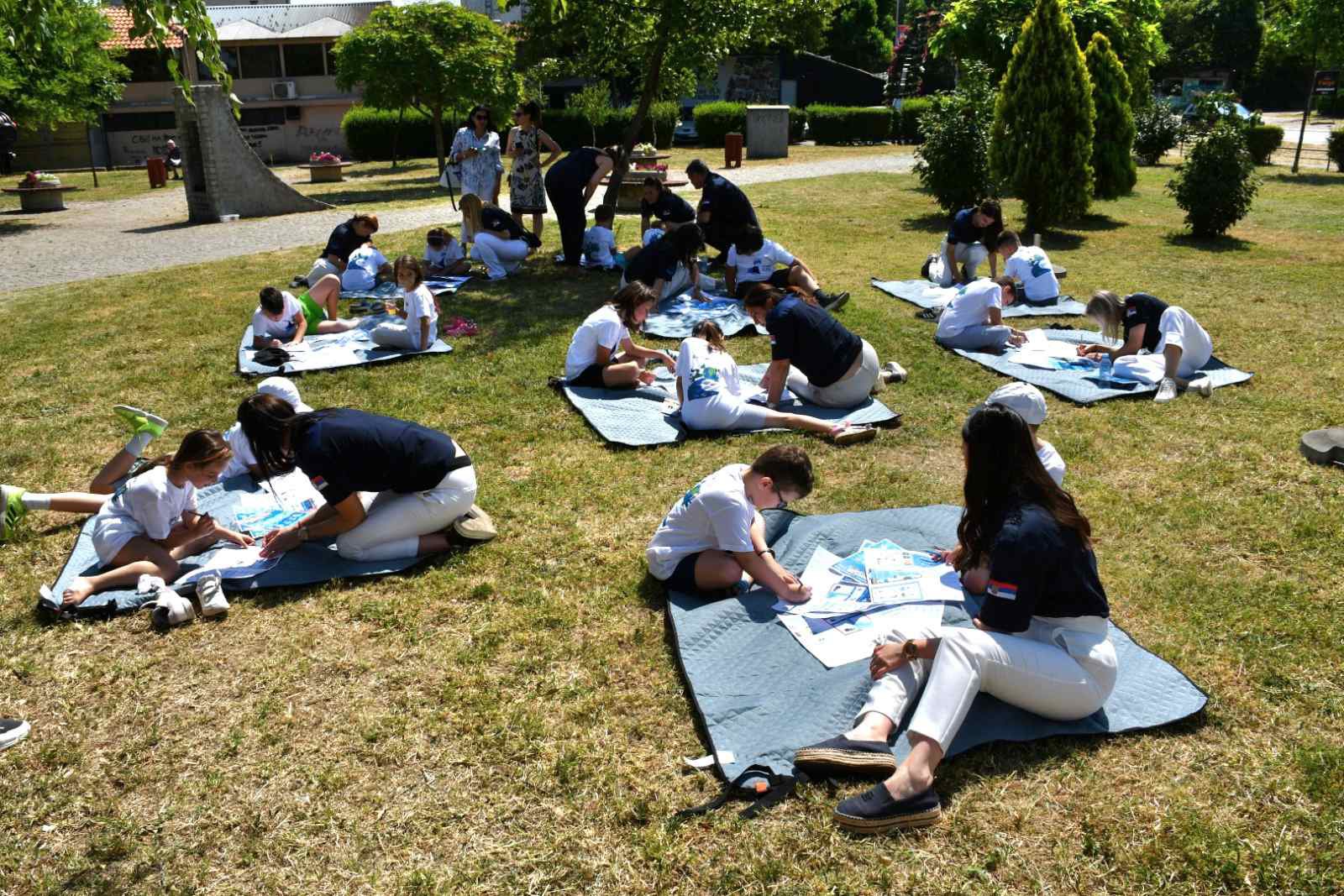
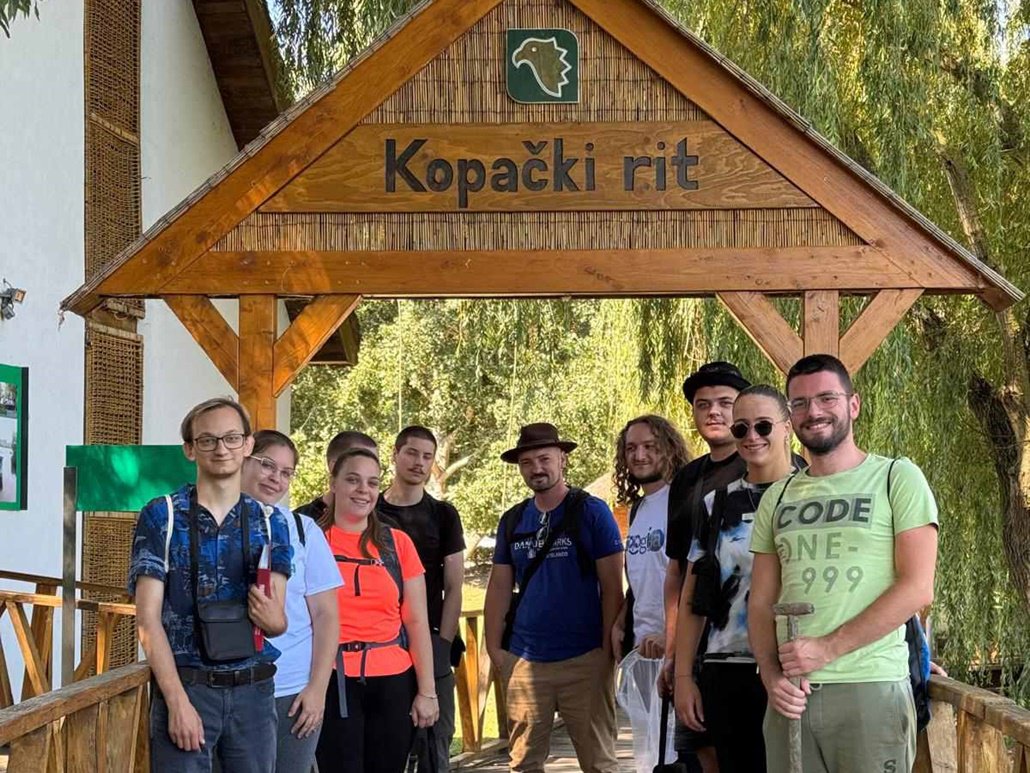
In Kopački rit Nature Park, visitors enjoyed a boat trip and a guided tour of the Presentation and Educational Centre Tikveš. In Erdut, the Public Institution for Nature Protection of Osijek-Baranja County organised a painting workshop for children, combining creativity with environmental awareness.
Press releases were published on the websites of on web pages of the Ministry of Environmental Protection and Green Transition, further highlighting the importance of the Danube and promoting the events to a wider audience.
These activities were made possible with the support of the Ministry of Environmental Protection and Green Transition, Croatian Waters, County of Vukovarsko-Srijemska, City of Vukovar, Vukovar Tourist Board, and Kopački rit Nature Park.
Germany
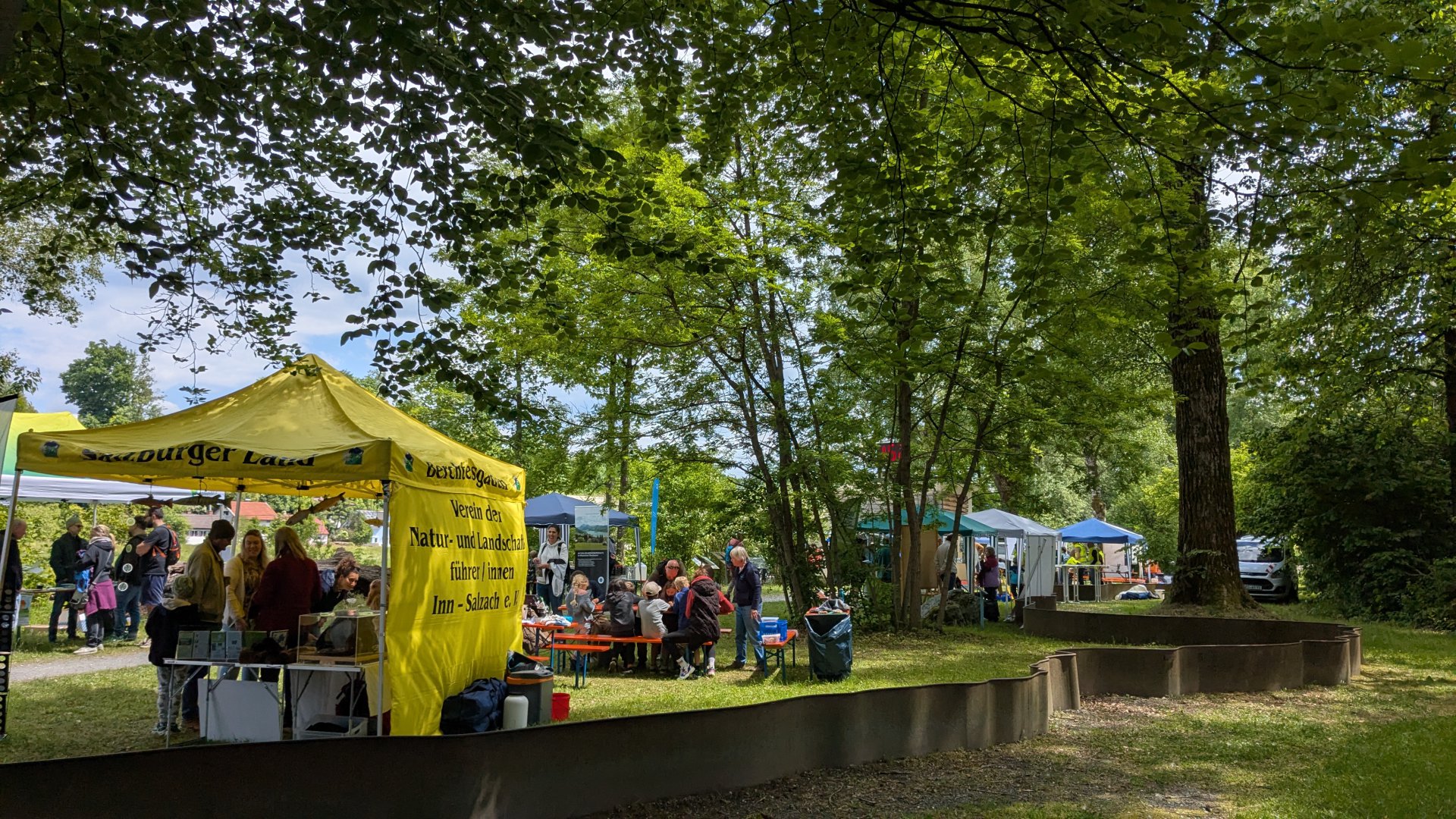
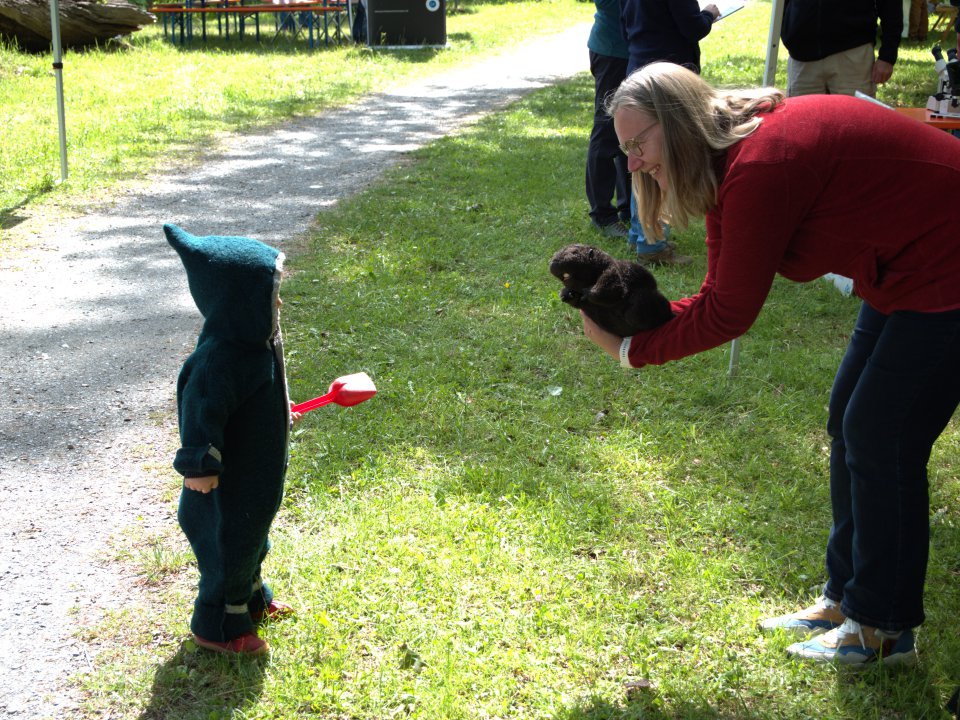
Danube Day in Germany was celebrated through a mix of community outreach and cultural programmes. On 24 May, the Wasserwirtschaftsamt Rosenheim (Water Authority Rosenheim) hosted the Inn River Experience Day, bringing in around 350 participants. Families and visitors engaged with interactive stations on river ecology, flood protection, bird conservation, and landscape architecture.
The event highlighted the importance of rivers as natural habitats and as places for recreation and learning. Partners included the Bayerisches Landesamt für Umwelt (Bavarian Environment Agency), Regierung von Oberbayern (Government of Upper Bavaria), BUND Naturschutz Rosenheim (Friends of the Earth Germany – Rosenheim), Landesbund für Vogelschutz Rosenheim (Bavarian Society for the Protection of Birds – Rosenheim),
Chiemsee Naturführer (Chiemsee Nature Guides), Landratsamt Rosenheim (Rosenheim District Office), and the Bayerische Architektenkammer (Bavarian Chamber of Architects). The programme was well covered in regional media and shared widely on social media platforms.
On 27 June, the Wasserwirtschaftsamt Regensburg (Water Authority Regensburg) complemented these activities with a cultural event at the Besucherzentrum Welterbe im Salzstadel (World Heritage Visitor Centre). As part of the donumenta artist-in-residence initiative, five artists presented their works inspired by the Danube to an audience of 22 visitors. This smaller gathering connected Danube Day with artistic expression, offering space for creative reflection on the role of the river in local culture and everyday life.
Hungary
In Hungary, Danube Day 2025 was celebrated through two major events that engaged children and families in learning about rivers, nature, and environmental protection.
Children’s Danube Day:
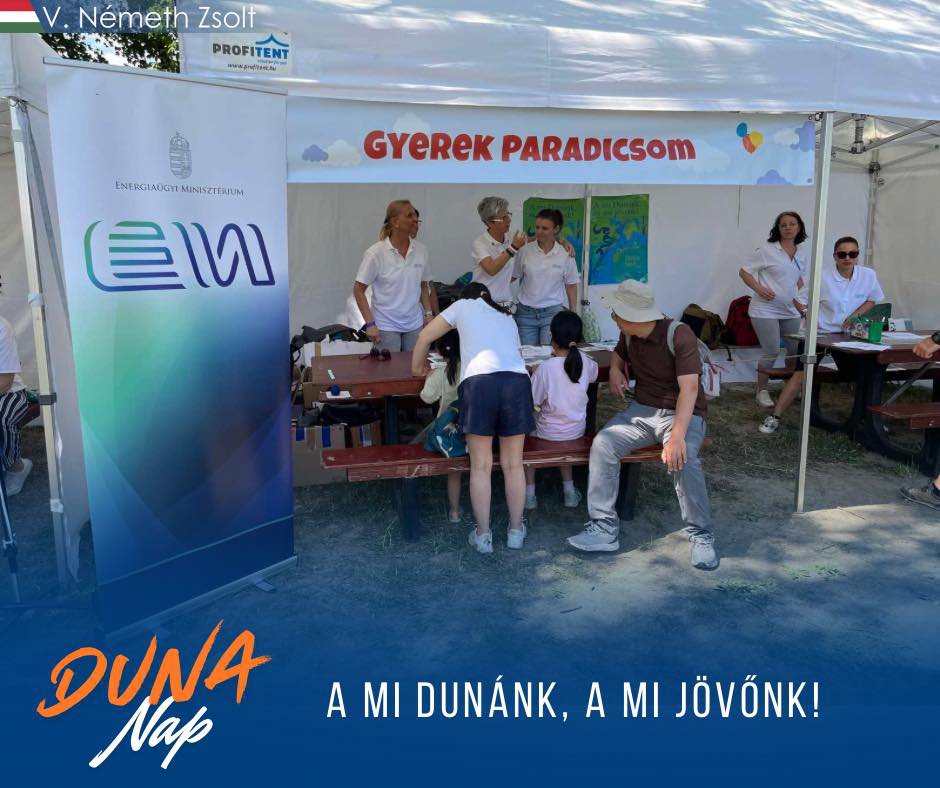
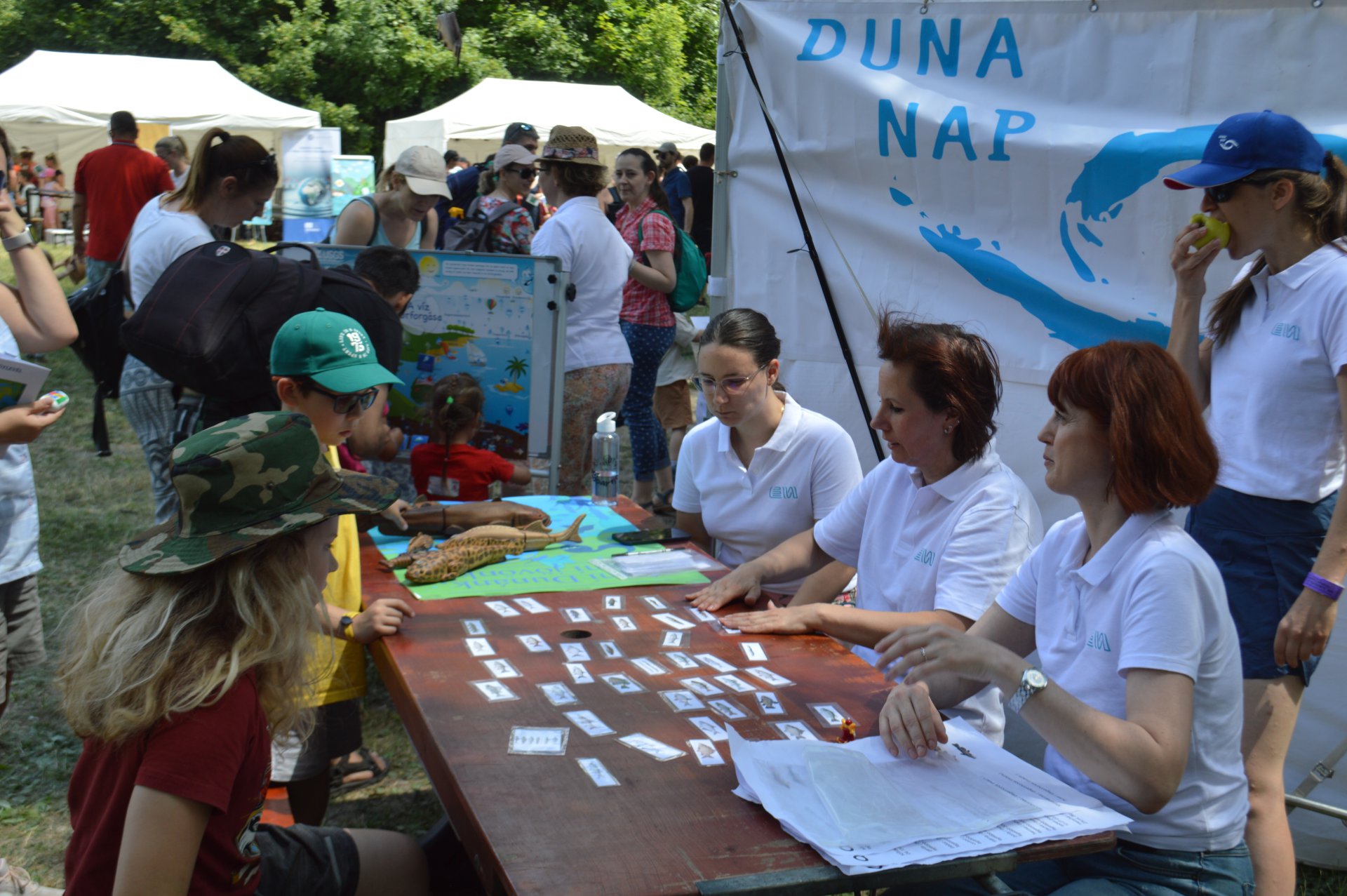
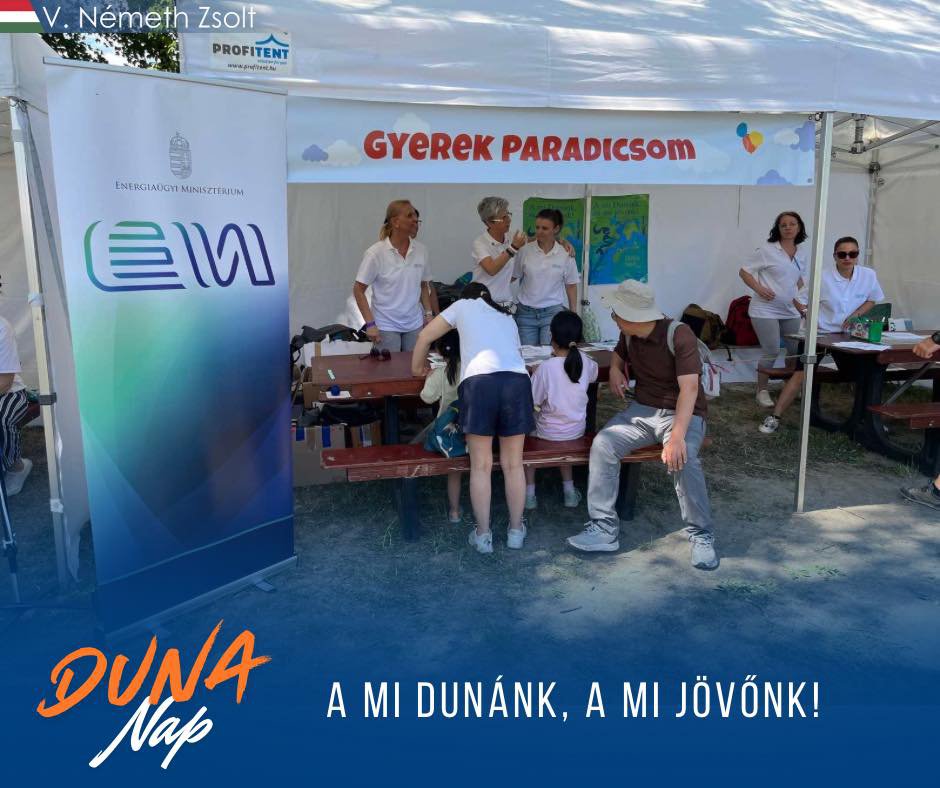
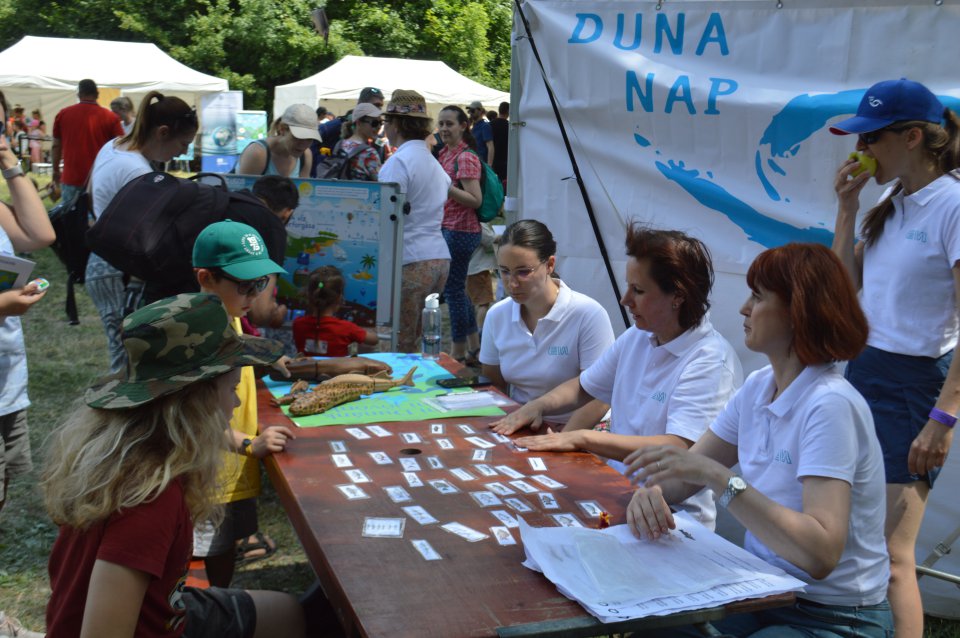
This was coordinated by the Ministry of Energy and took place on 21 June 2025 as part of the Children’s Island Festival (Gyermek Sziget) on Budapest’s Hajógyári Island. Throughout the day, children and their families took part in a variety of games and interactive contests, including quizzes and memory games about the Danube and Hungary’s hydrography, colouring activities, and demonstrations on flood protection and sandbag dam construction.
Participants received a “Danube Passport” encouraging them to explore all the educational stations, where they learned about the flora and fauna of rivers and wetlands, endangered and protected fish species, and the water cycle, as well as ways to preserve freshwater resources. Those who completed all activities received a gift package, including Danube Day bags. The day concluded with the symbolic release of 300 sterlets into the Danube, highlighting efforts to protect native fish species. The programme was free and open to the public from 10:00 to 18:00 and was visited by more than 800 people.
The event was supported by the following organisations:
Ministry of Energy – State Secretariat for Water Management and State Secretariat for Environmental Affairs, Ministry of Interior – National Directorate General for Disaster Management, Danube Museum, GWP Hungary Foundation, Herman Ottó Institute, Ministry of Foreign Affairs and Trade – EU Danube Region Strategy, Hungarian Water Utility Association (MaVíz), University of Public Service – Faculty of Water Sciences, National Waterworks Ltd., General Directorate of Water Management, and Rideg & Rideg Fish Farm Ltd.
The Győrkőc Kid Festival in Győr:
This festival is known as one of Central Europe’s largest children’s festivals and it also featured Danube-related activities. Organised by the North-Transdanubian Water Directorate in cooperation with Pannon-Víz Zrt., Széchenyi István University, the Technical SZC Hild József Construction Vocational High School of Győr, and the Vaskakas Puppet Theater (the main festival organiser), the event offered interactive experiences designed to raise awareness about rivers and water safety.
Older children enjoyed unique wooden games developed by the Directorate, such as a flood puzzle from an aerial photo of Győr, a four-river labyrinth, and a canoe trip board game along a section of the Danube. Younger visitors participated in creative crafts, colouring clouds and swans, making willow “fish scales,” and painting stones with images of aquatic animals.
Through these playful and educational activities, organisers aimed to strengthen environmental awareness and foster a sense of responsibility for protecting the Danube and its aquatic life. Approximately 50,000 visitors attended the Győrkőc Festival overall.
Romania
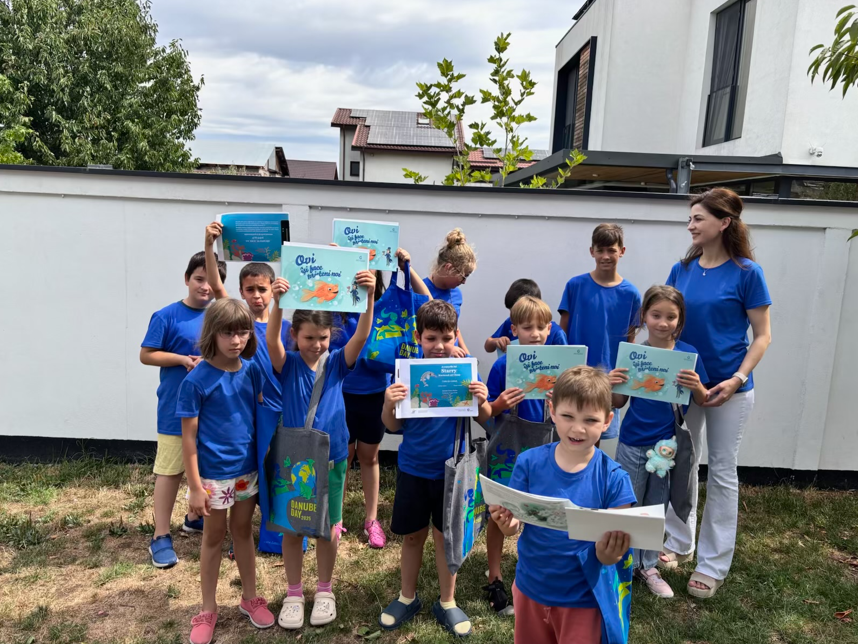
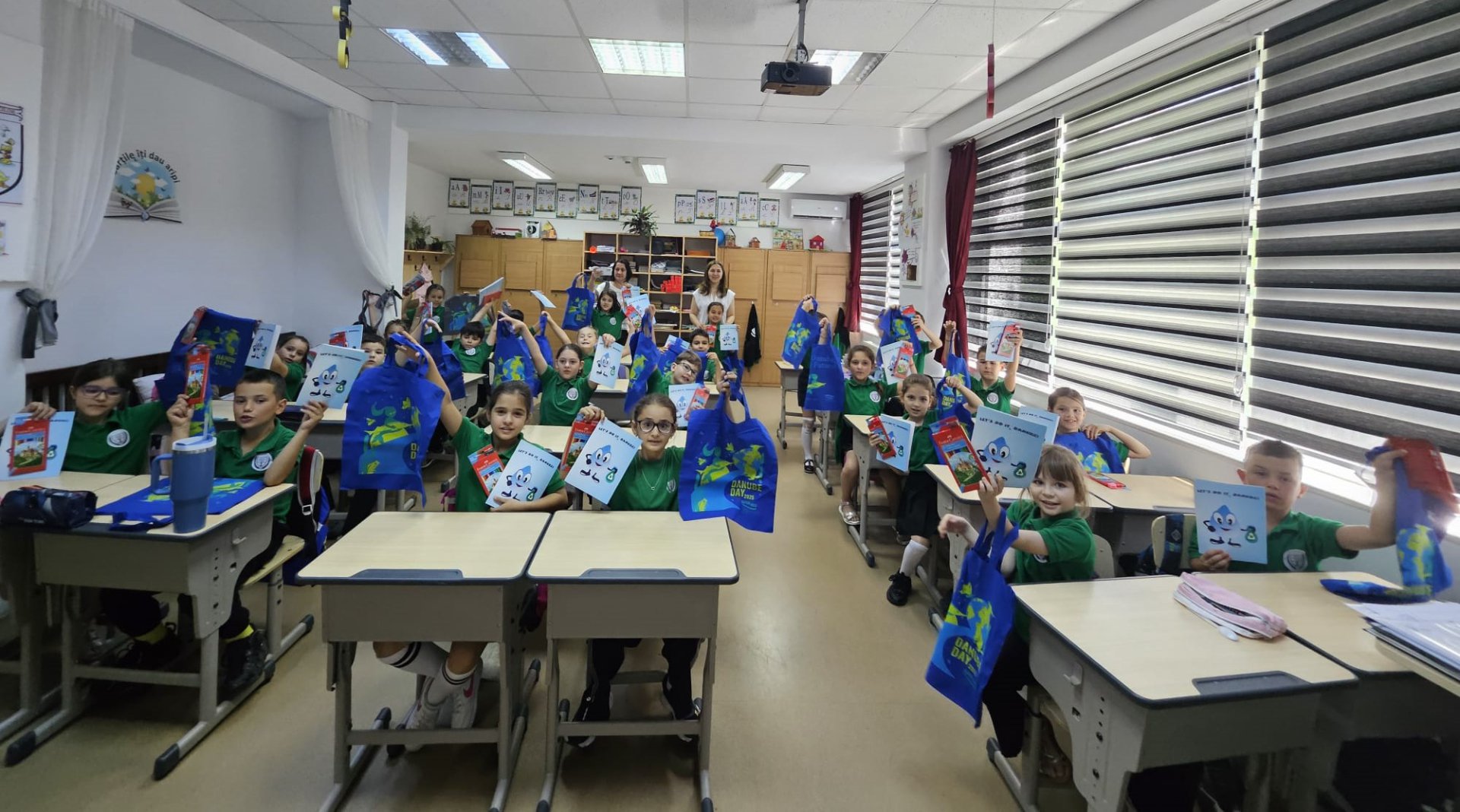
In June, a wide variety of activities took place across Romania to celebrate Danube Day 2025, coordinated by the Ministerul Mediului, Apelor și Pădurilor (Ministry of Environment, Waters and Forests) and the Administrația Națională „Apele Române” (National Administration “Romanian Waters”), together with all 11 Water Basin Administrations, local authorities, NGOs, and cultural partners. Press releases and public events highlighted the importance of the Danube and the shared responsibility to protect its waters.
Somes Tisa Water Basin Administration:
The Basin Committee met to discuss Danube-related issues, and schools in Cluj participated in creative contests and awareness activities. Pupils learned about water protection through art projects and thematic lessons, with special focus on the Joint Danube Survey 5.
Banat Water Basin Administration:
Workshops for children were organised in Timișoara, and the regional operator SC AQUATIM SA joined with an open day at the AQUAPIC centre. An exhibition entitled “The Danube – Cultural Interferences” opened at the Water Palace, bringing together art and environmental education.
Argeș-Vedea Water Basin Administration:
In Giurgiu and other towns, schools organised art projects, video screenings, and environmental lessons. Pupils also visited laboratories to see how water quality is monitored and analysed.
Buzău-Ialomița Water Basin Administration:
Cultural and educational events were held in Călărași, Oltenița, and surrounding towns. A folklore festival gathered over 450 children, alongside clean-up campaigns, sports competitions, and concerts celebrating the Danube’s role in community life.
Dobrogea Litoral Water Basin Administration:
Events were held in Tulcea, Constanța, and Mangalia with kindergartens, primary schools, and universities. Activities included awareness workshops, thematic lessons, and artistic programmes. Cernavodă City Hall also supported cultural events with music, dance, and art.
Olt Water Basin Administration:
Schools and kindergartens in Islaz and Pitești marked Danube Day with interactive games, environmental lessons, and riverside demonstrations. Pupils learned about the forces of water and the importance of conserving river habitats.
Jiu Water Basin Administration:
Celebrations included clean-up campaigns, creative workshops, and a parade of ecological costumes in Drobeta-Turnu Severin. Children also enjoyed a boat trip on the Danube, where they learned about local biodiversity and the river’s history.
Prut-Bârlad Water Basin Administration and the Galați Water Management System
In Galați, children from local schools took part in thematic lessons, creative workshops, and clean-up activities, learning about water quality and pollution prevention.
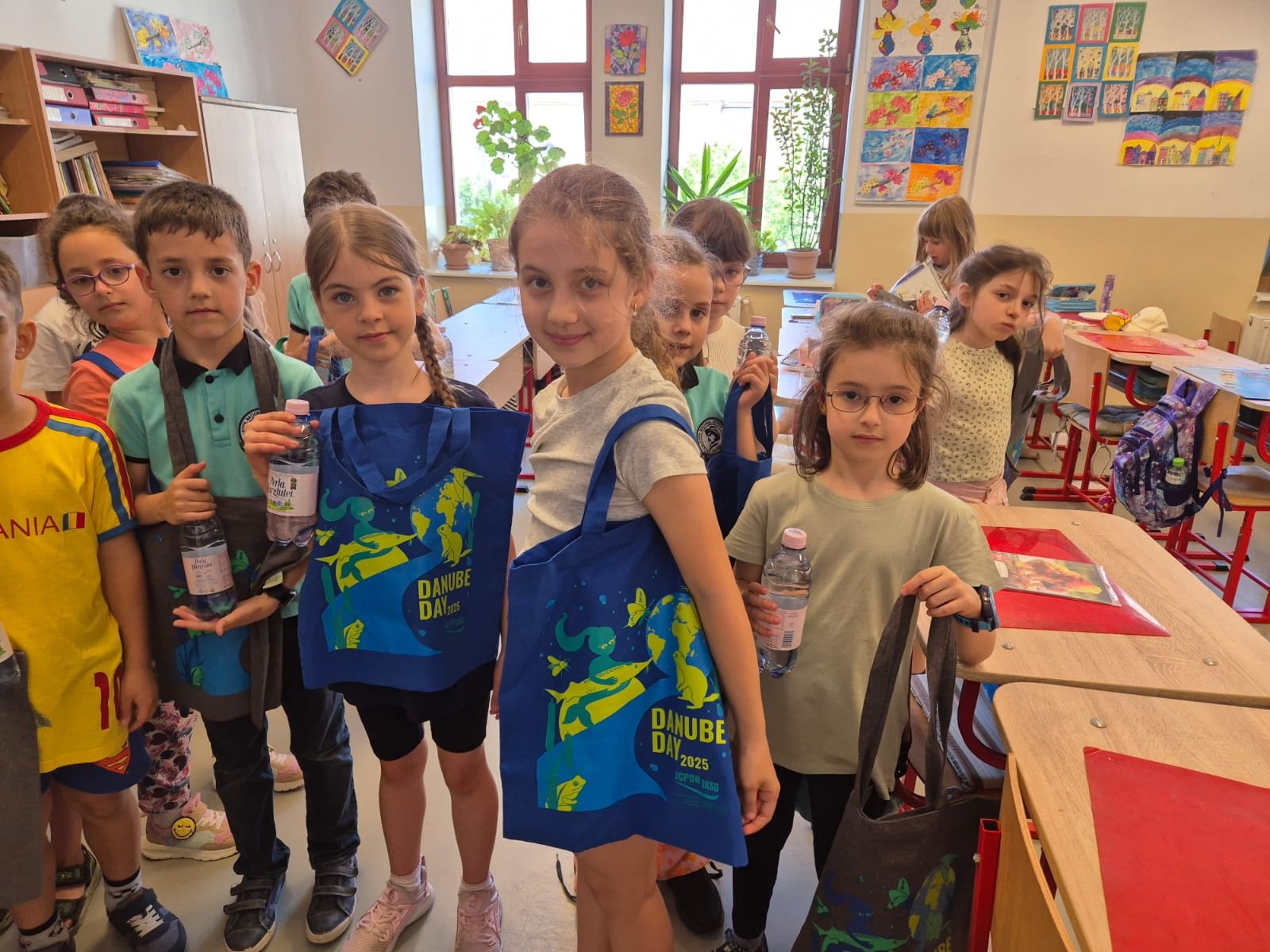
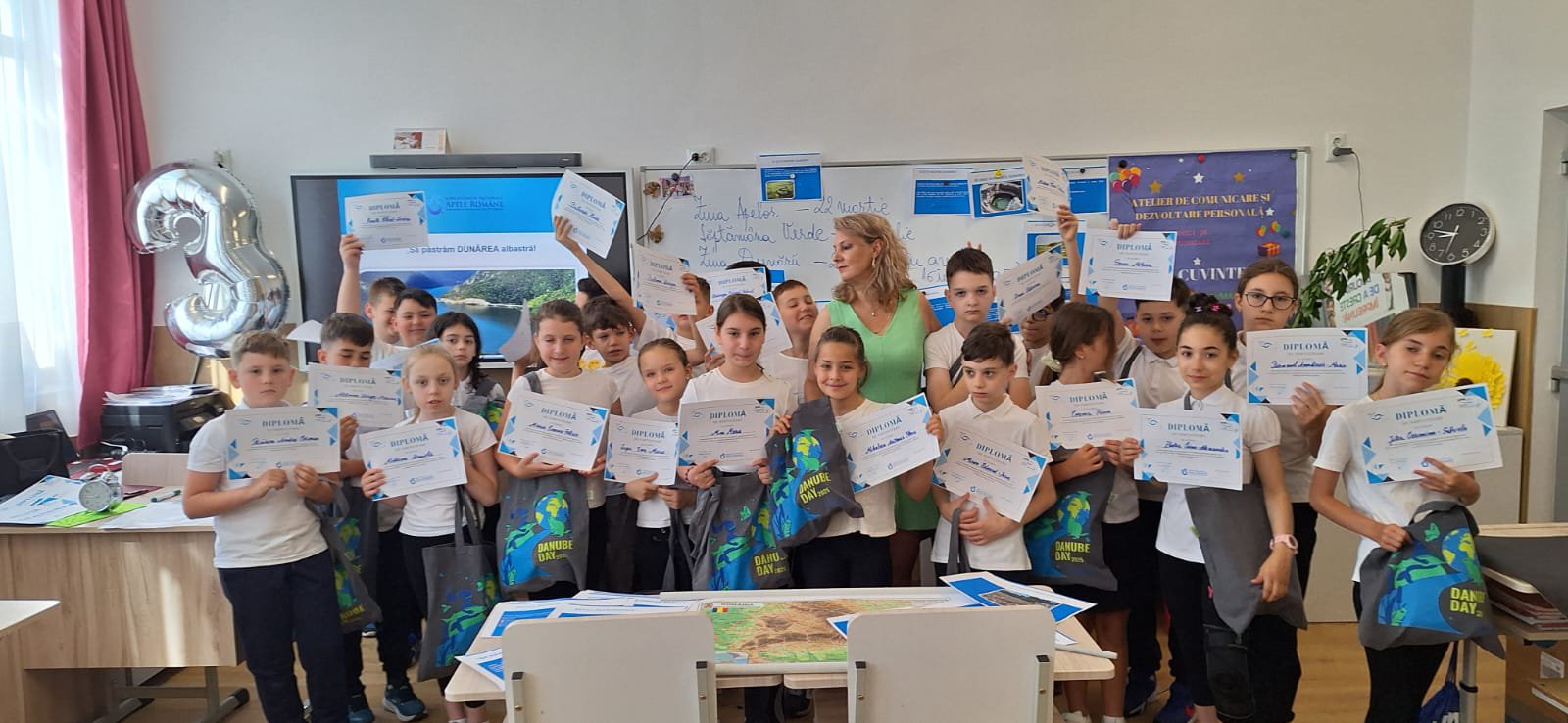
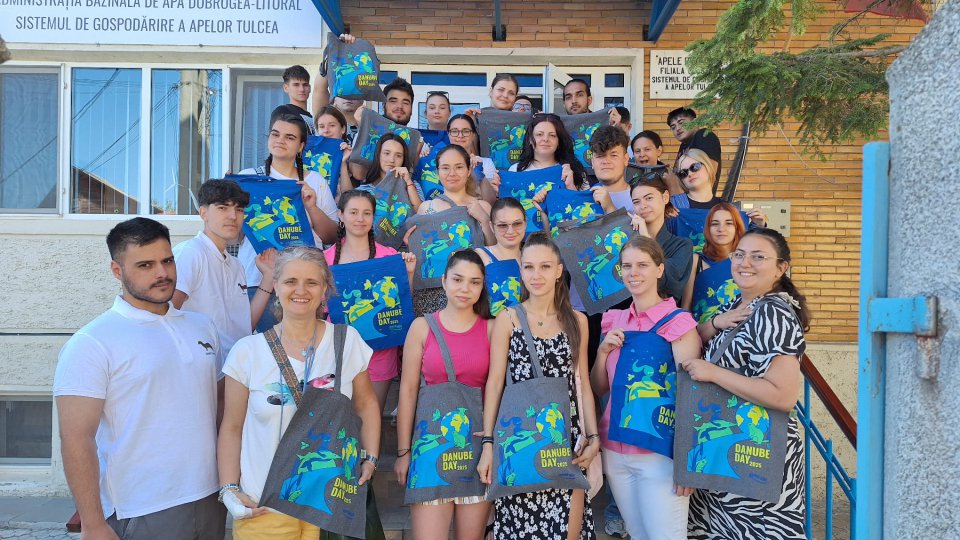
Across Romania, around 1,250 participants took part in Danube Day activities in 2025. Children, students, and communities learned about water protection, explored the river through science and art, and celebrated the Danube’s importance to culture, nature, and daily life.
Serbia
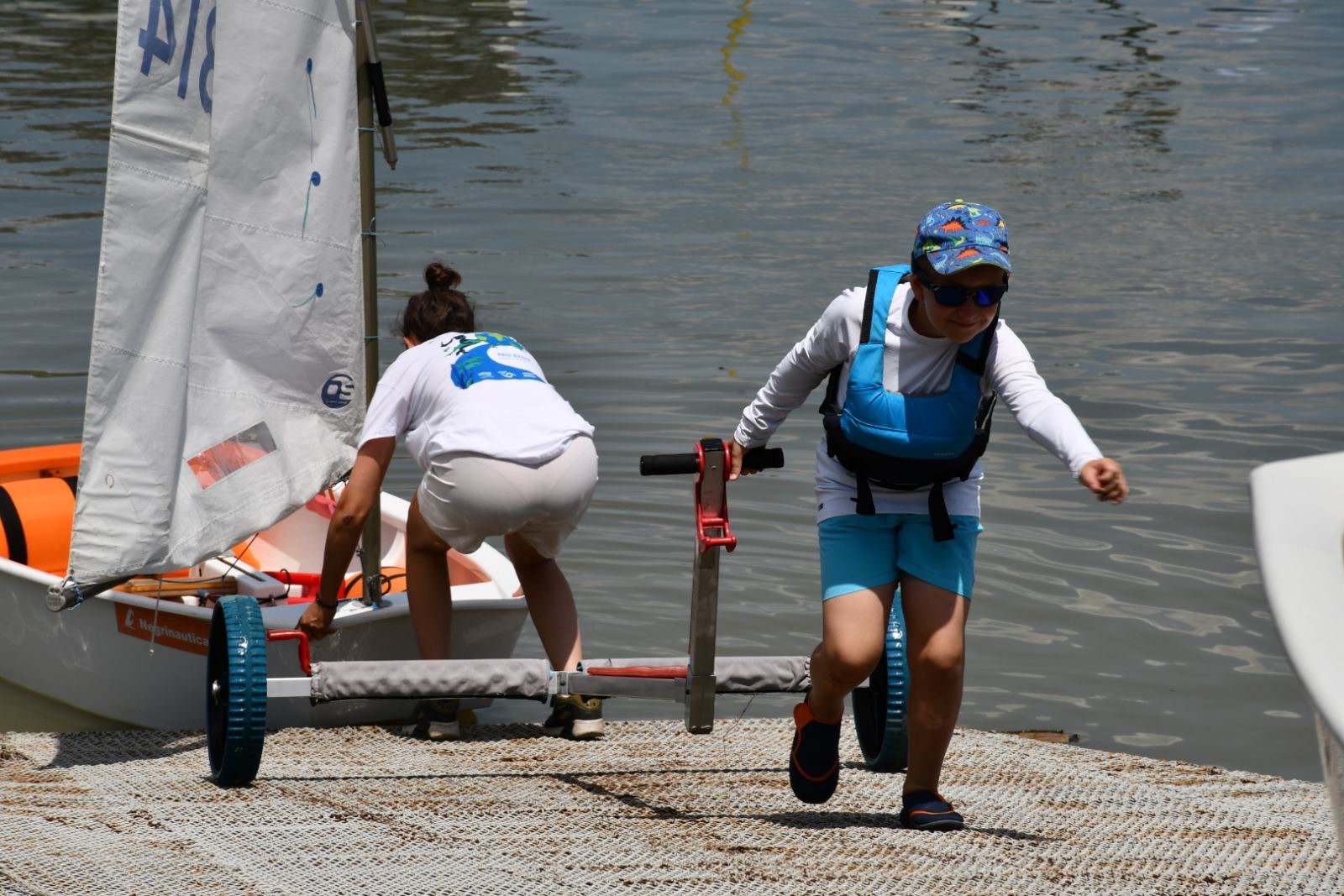
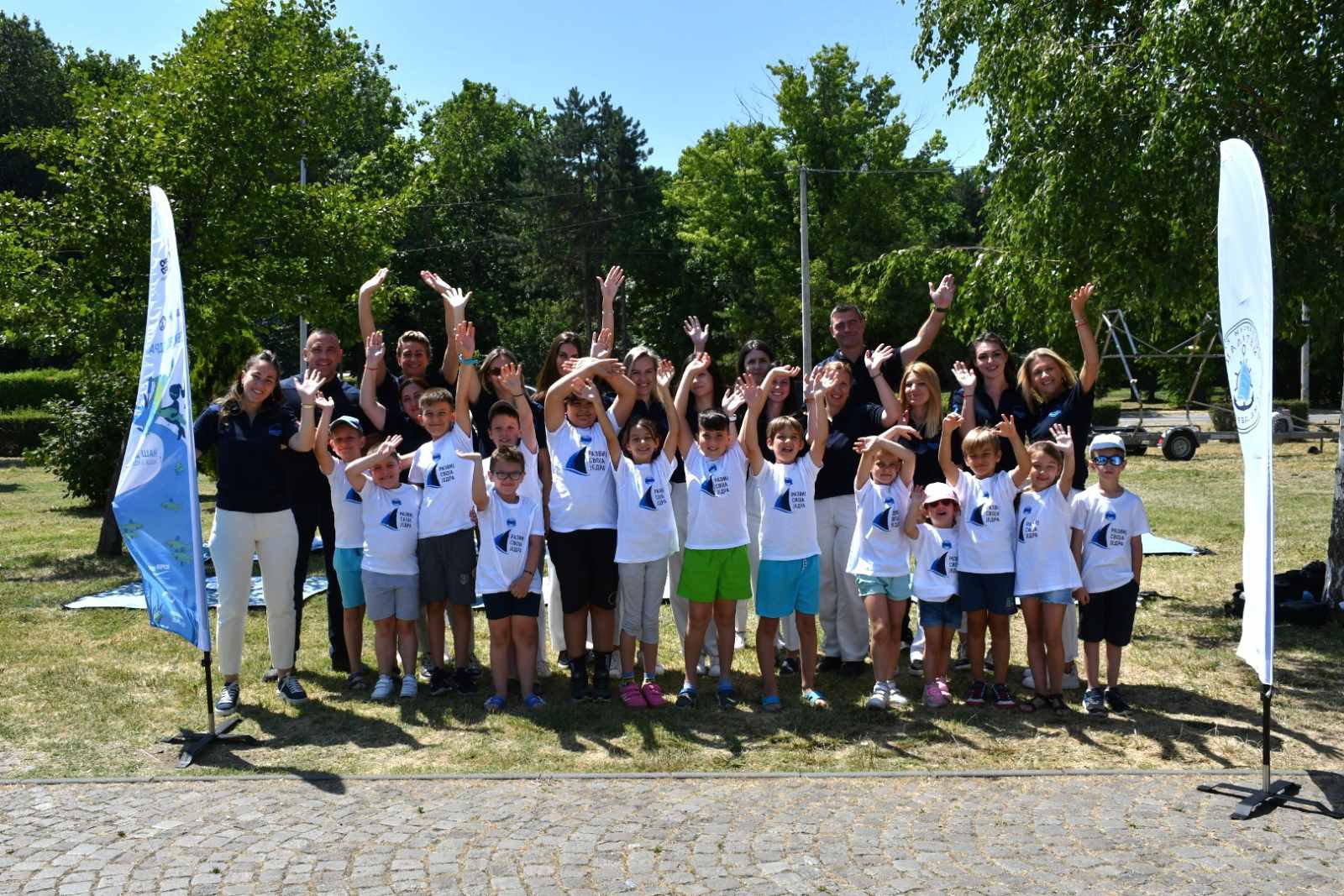
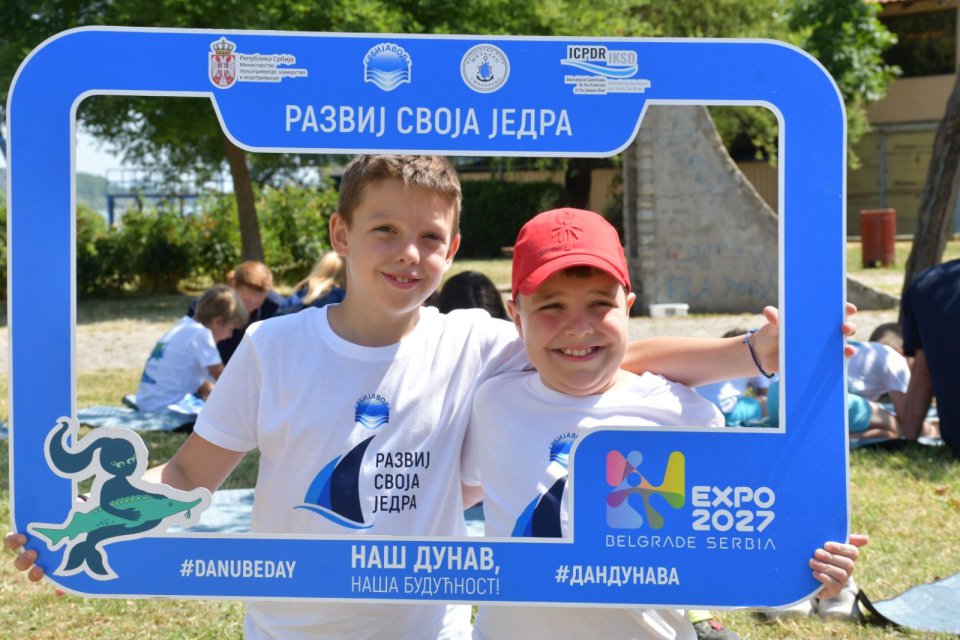
In Serbia, Danube Day 2025 was celebrated with a wide variety of events combining education, sport, and cultural activities. The Public Water Management Company “Srbijavode” (PWMC “Srbijavode”), together with the Jedriličarski klub “Metalac” (Sailing Club “Metalac”), organised a children’s sailing regatta on the Danube near Smederevo. The regatta, held on 21–22 June, brought together about 50 of the youngest competitors from sailing clubs across Serbia. Alongside the sporting programme, engineers from Srbijavode led interactive workshops on water preservation, flood protection, and the impact of human activities on rivers. Through creative games, ecological tasks, and thematic lectures, children learned about the Danube’s significance and challenges such as pollution and climate change.
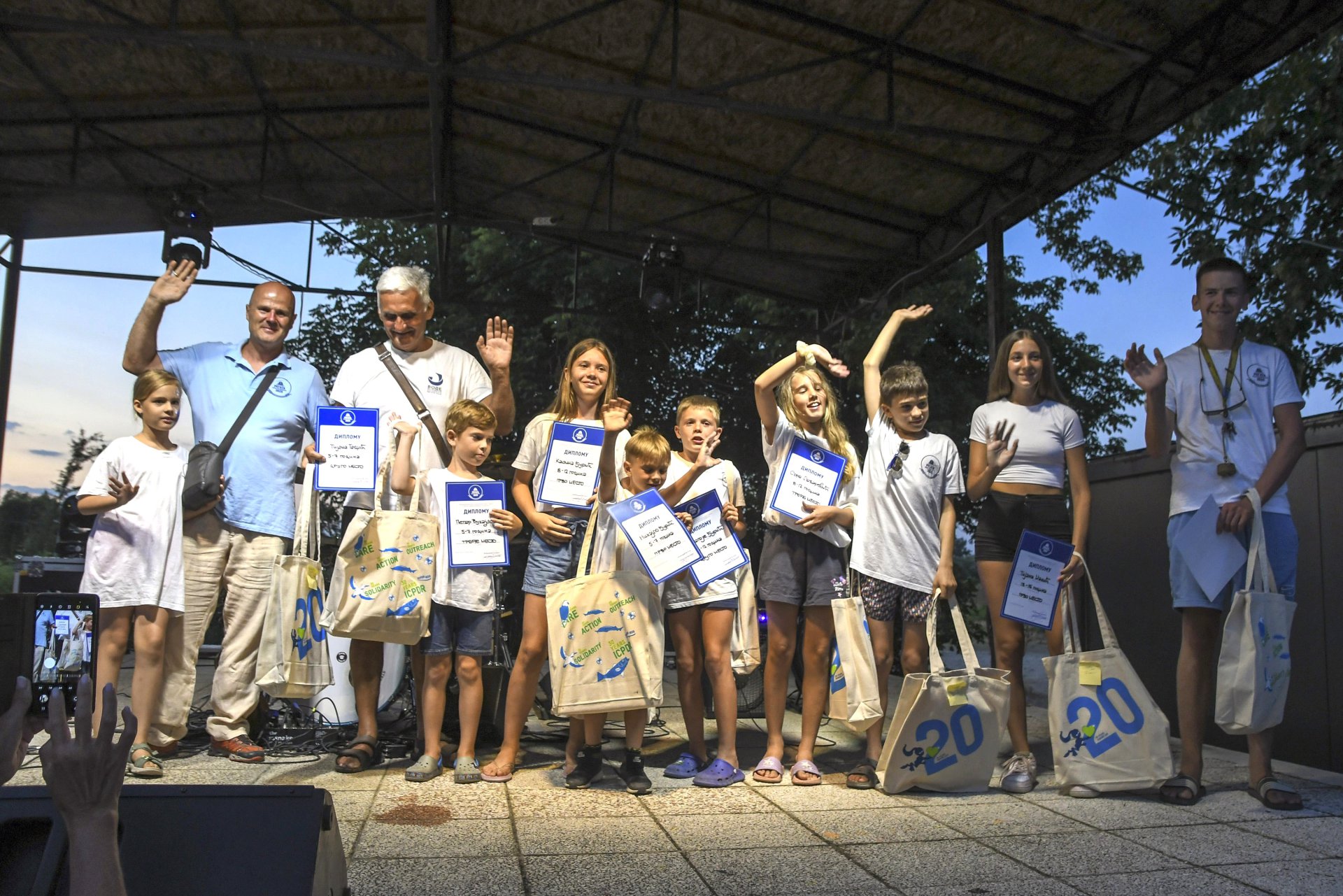
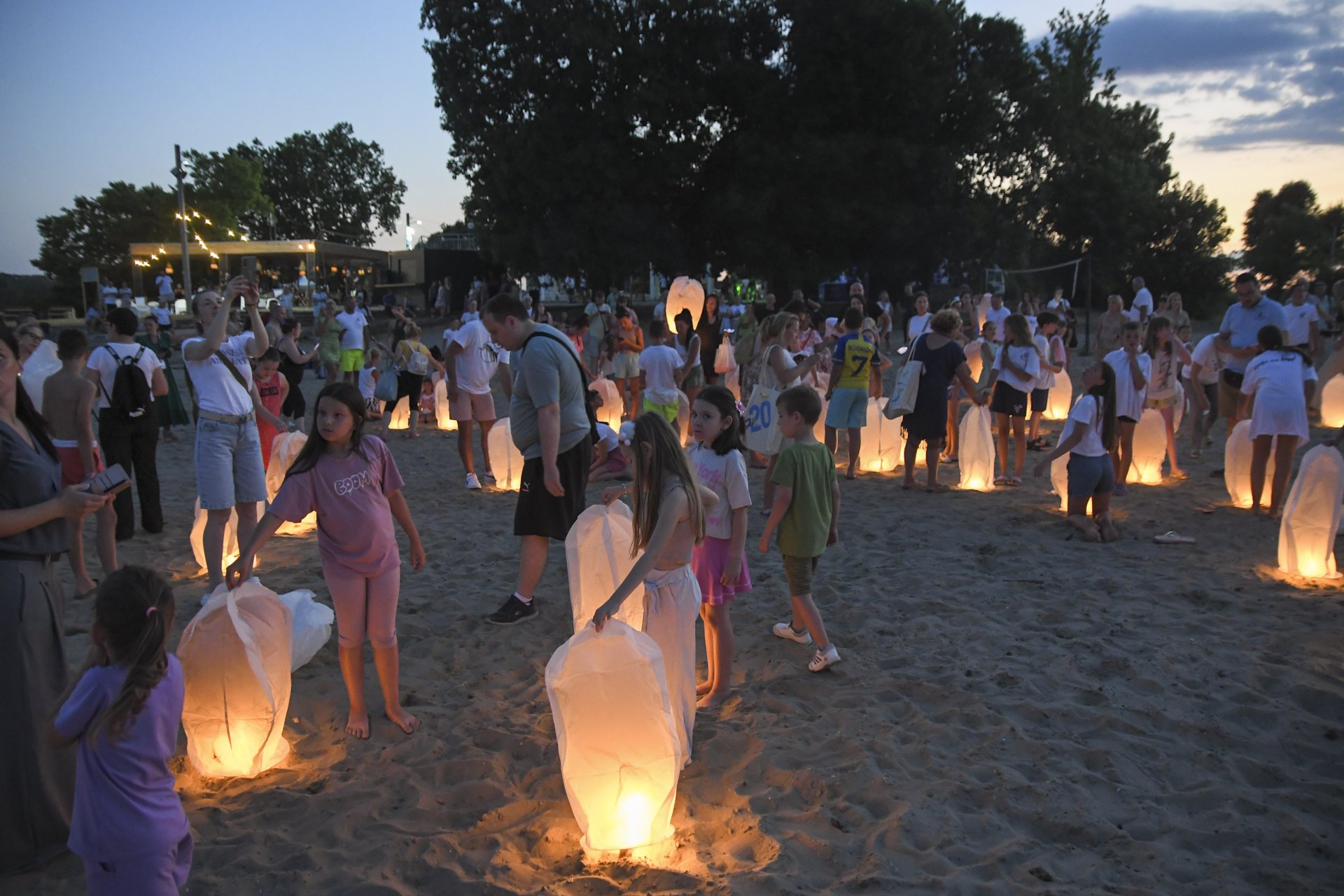
For the 15th year, the Javno vodoprivredno preduzeće “Vode Vojvodine” (Public Water Management Company “Vode Vojvodine”) organised its traditional regatta, highlighting the nautical potential of Vojvodina and raising awareness about environmental protection. The eleven-day cruise began in Novi Sad and concluded in Bačka Palanka, where Danube Day was celebrated on 29 June at Tikvara City Beach. Supported by the Water Management Company “Dunav,” the Municipality of Bačka Palanka, and the Tourist Organization of Bačka Palanka, the celebration brought together around 1,000 citizens and visitors.
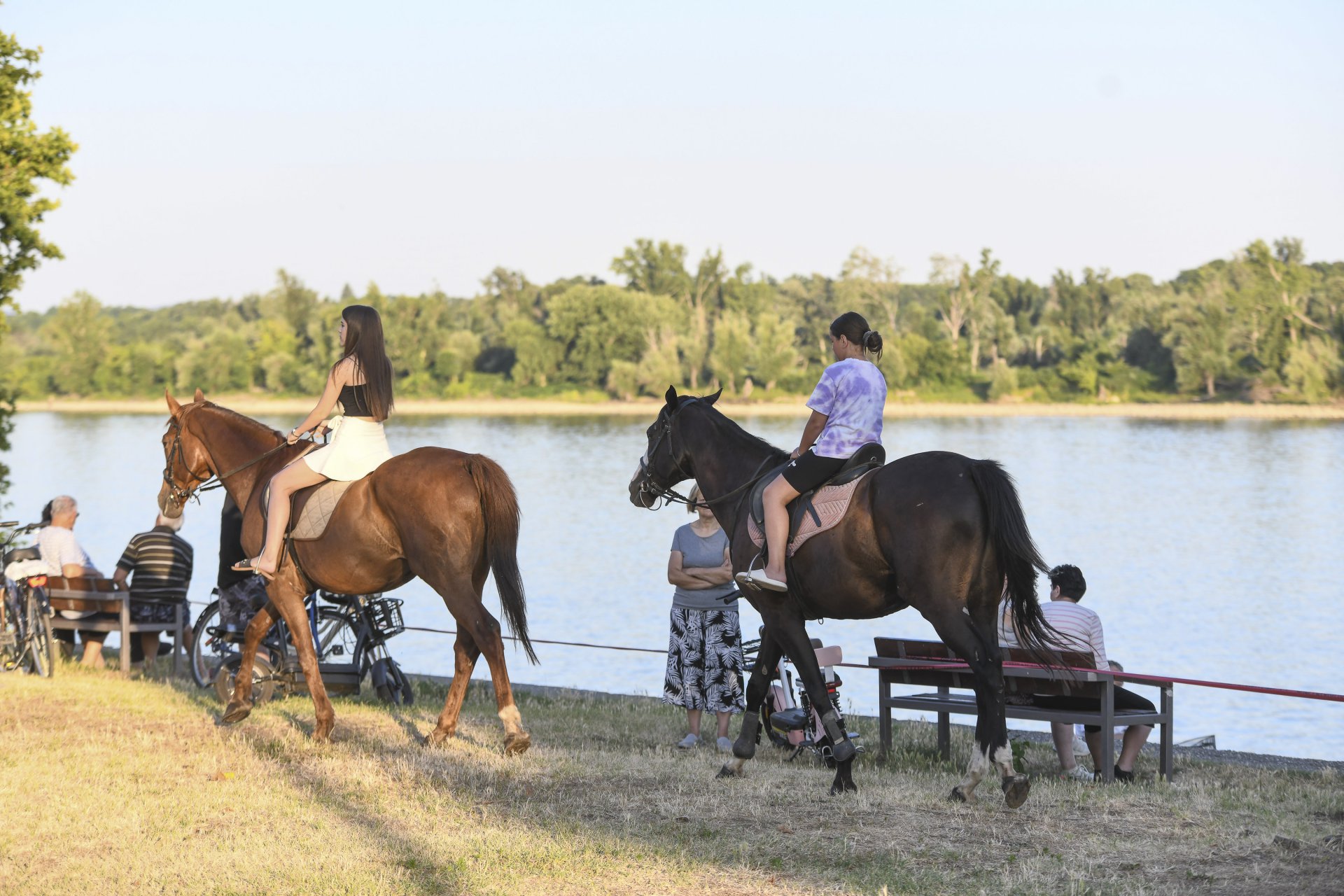
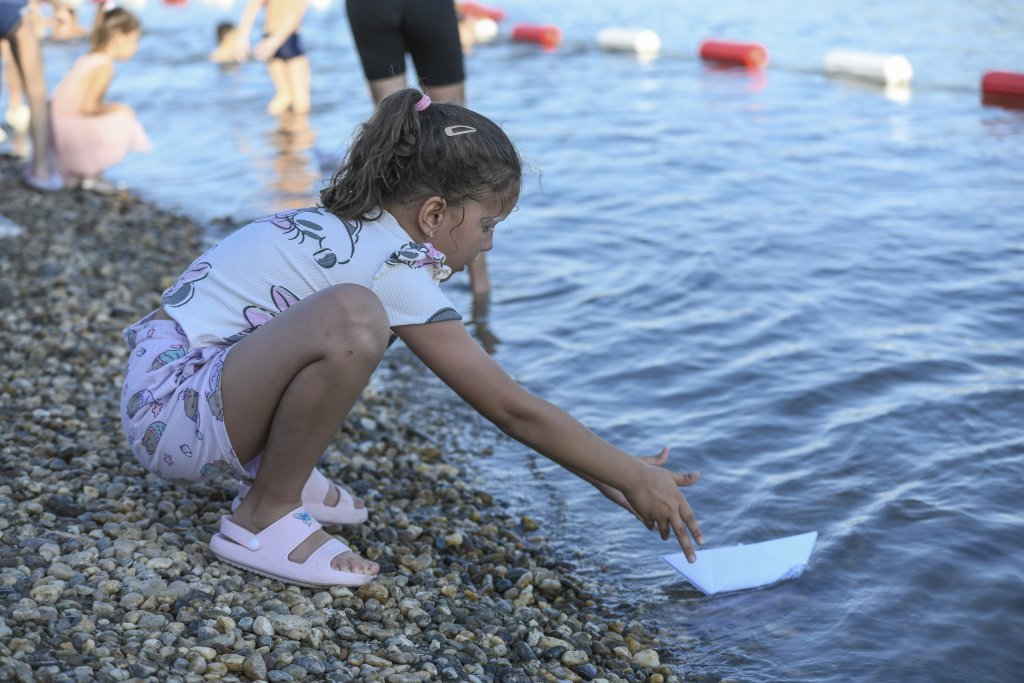
The programme opened with children’s activities, including art workshops, painting exhibitions, choir and ballet performances, horse riding, and the symbolic release of paper boats on the Danube. ICPDR bags, colouring books, and toys were distributed, making the day both festive and educational. For older audiences, the event featured traditional handcraft stands, a live concert, and concluded with a lantern release and a spectacular fireworks display over the river.
Altogether, around 1,200 people took part in Danube Day events across Serbia in 2025, celebrating the river through sport, education, culture, and community spirit. “
Danube Day is more than a celebration – it is a reminder of the importance of protecting one of Europe’s greatest rivers, honouring its life-giving presence, and recognising the deep bond between people and water. Thoughtful activities, time spent outdoors, and community spirit inspire us to slow down, reconnect with our natural surroundings, and take responsibility for preserving the Danube for generations to come.
By celebrating through sport, education, and creative workshops, we encourage the youngest generations to value water as an irreplaceable resource and to understand the importance of protecting the Danube River – for a healthier environment and a safer future.
Slovakia
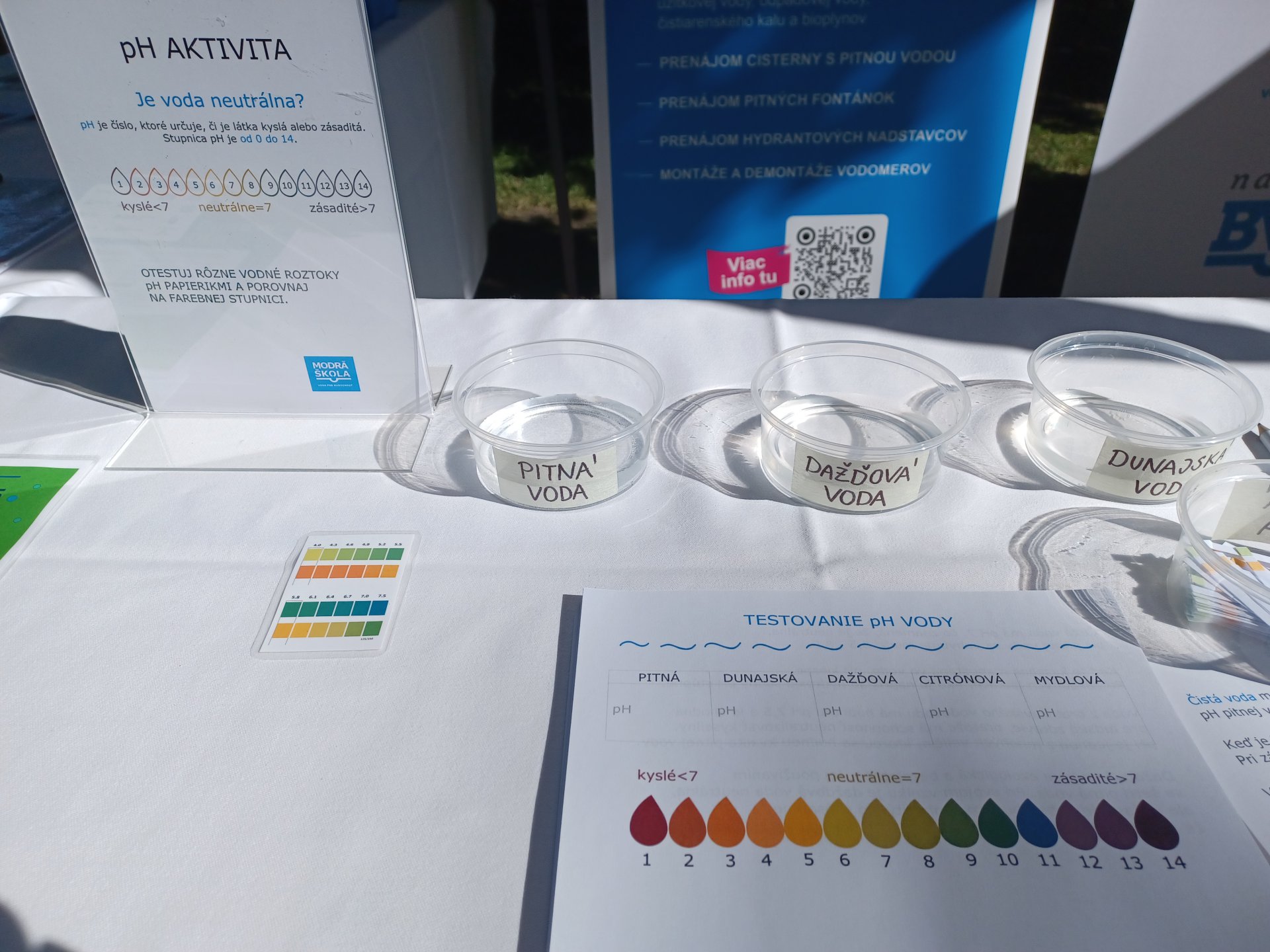
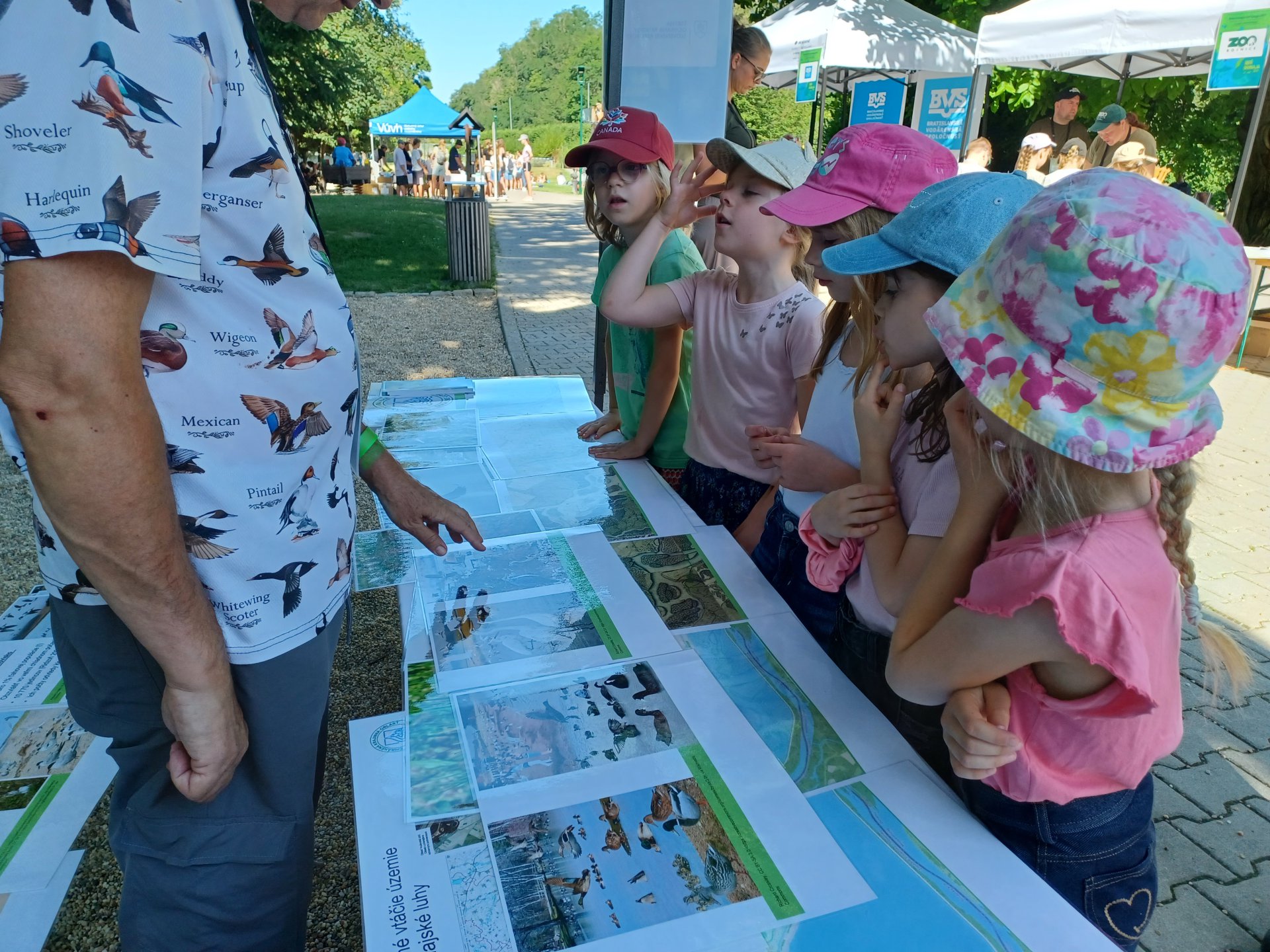
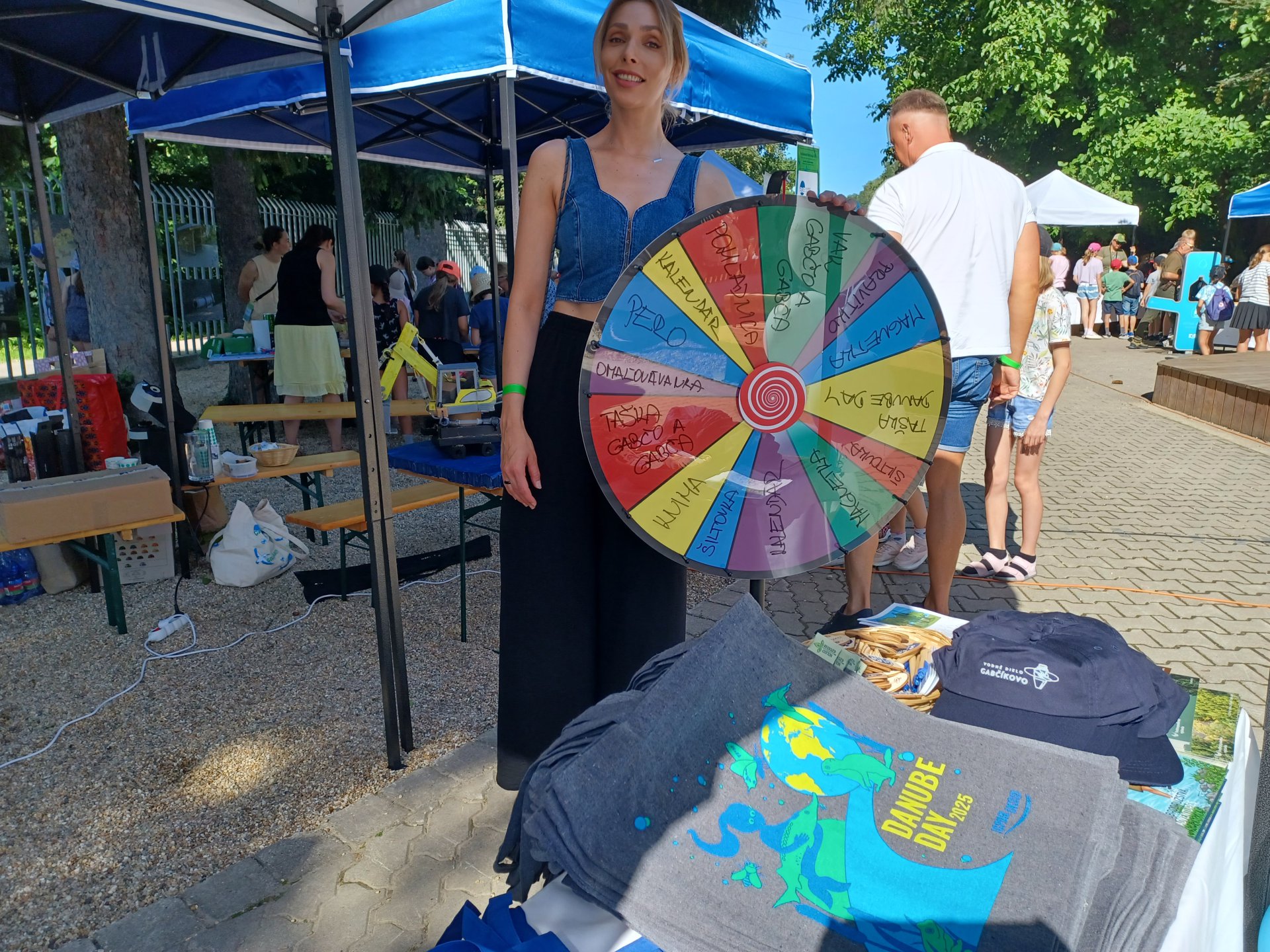
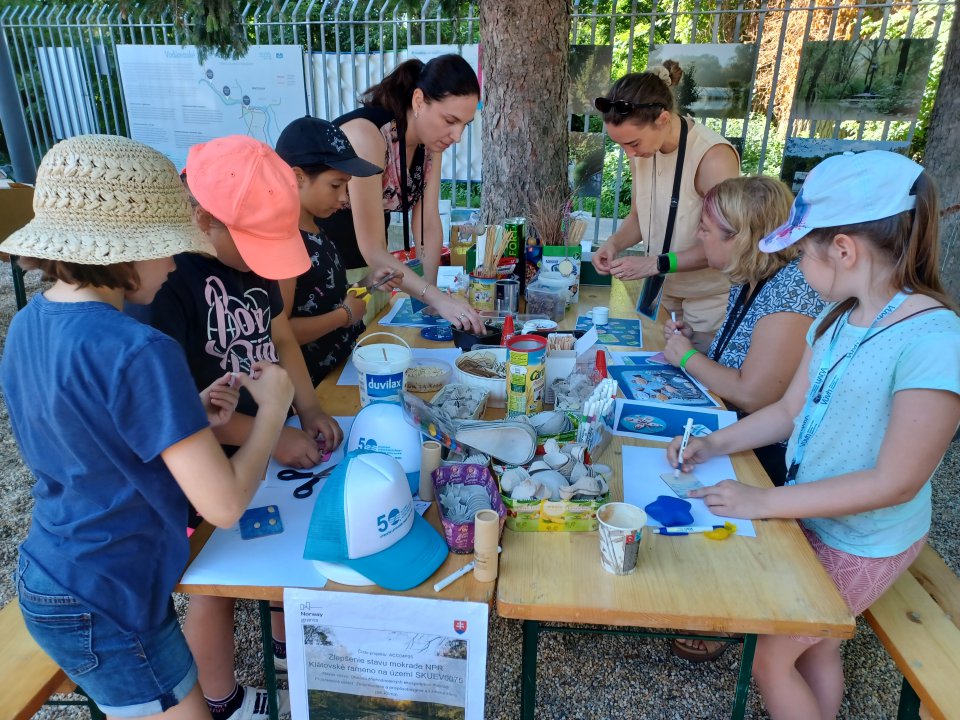
On 25 June 2025, the main Danube Day celebration in Slovakia took place in the garden of the Vodárenské múzeum (Waterworks Museum) in Bratislava. Educational stands and demonstrations were prepared by the Slovenská agentúra životného prostredia (Slovak Environmental Agency), Štátna ochrana prírody Slovenskej republiky (State Nature Protection of the Slovak Republic), the Slovenské múzeum ochrany prírody a jaskyniarstva (Slovak Museum of Nature Protection and Speleology), Národná zoologická záhrada Bojnice (Bojnice Zoo), the Výskumný ústav vodného hospodárstva (Water Research Institute), and other partners.
Further activities included an on-site presentation of flow measurements and hydrological exercises at Devín on 25–26 June, organised by the Slovenský hydrometeorologický ústav (Slovak Hydrometeorological Institute) in cooperation with the Czech Hydrometeorological Institute and the Fakulta stavebná STU (Faculty of Civil Engineering, Slovak Technical University). Educational programmes for students were also held at the Eko-centre Čunovo and at the Vzdelávacie centrum Žitného ostrova (Education Centre of Žitný Ostrov) in Dunajská Streda.
These events were supported by the Ministerstvo životného prostredia Slovenskej republiky (Ministry of Environment of the Slovak Republic), Vodohospodárska výstavba (Water Management Construction), Slovenský vodohospodársky podnik (Slovak Water Management Enterprise), the Výskumný ústav vodného hospodárstva (Water Research Institute), the Slovenská agentúra životného prostredia (Slovak Environmental Agency), Štátna ochrana prírody Slovenskej republiky (State Nature Protection of the Slovak Republic), the Slovenské múzeum ochrany prírody a jaskyniarstva (Slovak Museum of Nature Protection and Speleology), Národná zoologická záhrada Bojnice (Bojnice Zoo), and the civic association Vodohospodári (Water Managers).
In addition, partner organisations marked Danube Day through cultural and thematic programmes, including Slnovrat na Dunaji (“Solstice on the Danube”), a summer celebration linking communities to the river, as well as a special poster presentation on the Danube by the Ľ. Štúr Institute of Linguistics, Slovak Academy of Sciences.
Slovenia
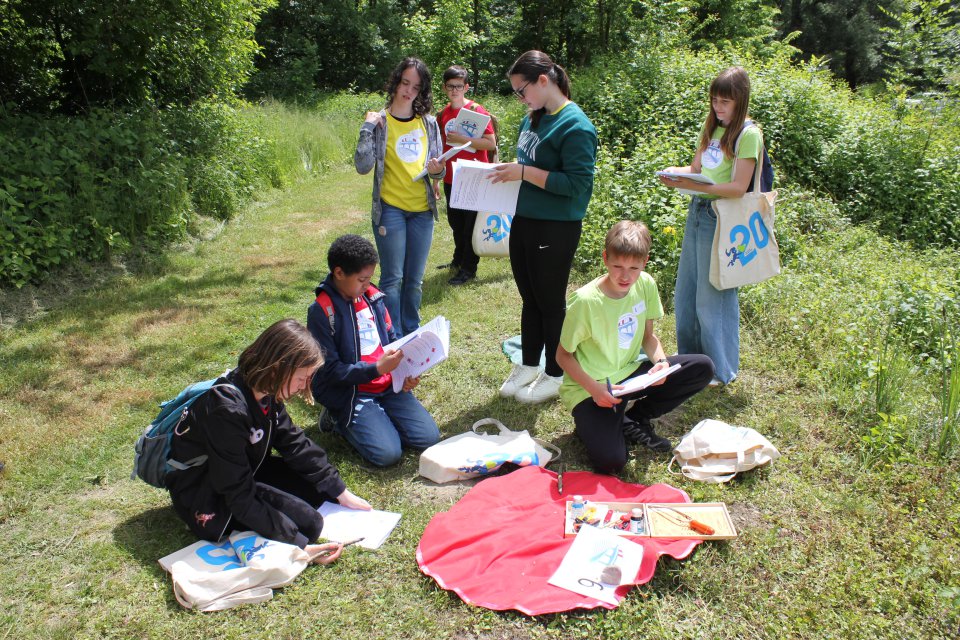
On Friday, 16 May 2025, the second Action Day for the Mura River took place in Lisjakova Struga, Gornja Radgona. Organised under the framework of the Permanent Slovenian-Austrian Commission for the Mura River, the event was held under the title “Let’s Flow Together.” This year’s motto, chosen by participating students, was “The River that Connects.”
The programme brought together Slovenian and Austrian primary school pupils from along the Mura River, with the aim of fostering cross-border collaboration and raising awareness about measures to adapt to climate change. The initiative builds on the success of the Slovenian-Austrian youth project “Let’s Flow Together,” which was awarded the prestigious NEPTUN 2025 Water Prize in March.
The Action Day has now become a tradition and will continue next year on the Austrian side of the Mura.
Ukraine
In Ukraine, Danube Day 2025 was celebrated with a creative and educational programme highlighting the country’s four Danube sub-basins: Tisa, Prut, Siret, and the Lower Danube. From 23 to 26 June, each sub-basin was featured in a dedicated video showcasing its flagship species and iconic natural sites. A final joint video uniting all four sub-basins was presented on 29 June, symbolising their shared connection through the Danube River.
As part of the celebrations, a special interactive game titled “Danube Treasures” was introduced, helping participants discover the flagship species, places, and cultural symbols unique to each Ukrainian Danube sub-basin.
The main Danube Day event took place on 27 June in Odesa, held in parallel with the First Meeting on the Progress in River Basin Management Plan (RBMP) Implementation. Originally planned for Kilia, the celebration was relocated to Odesa for safety reasons.
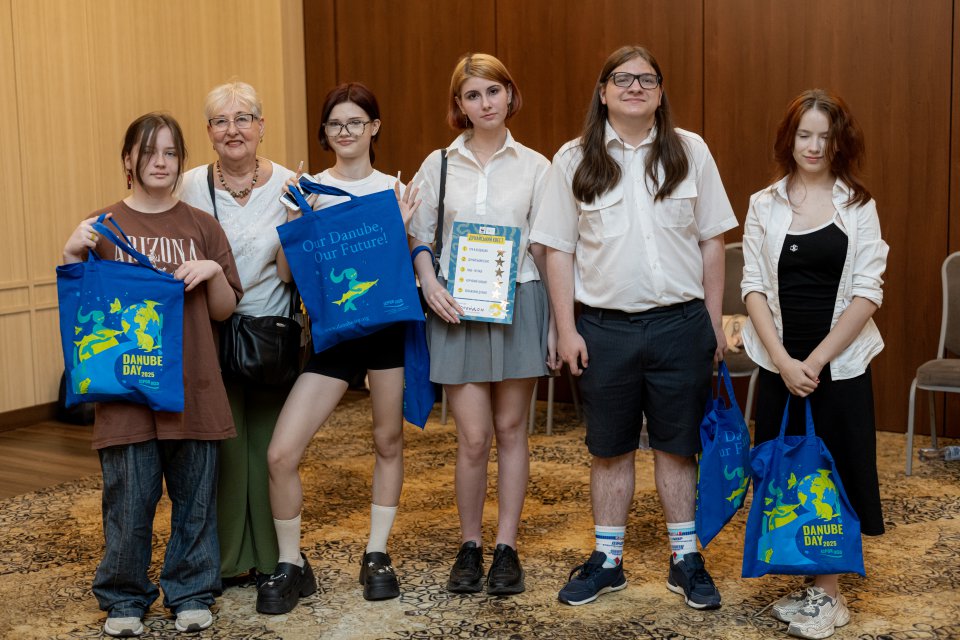
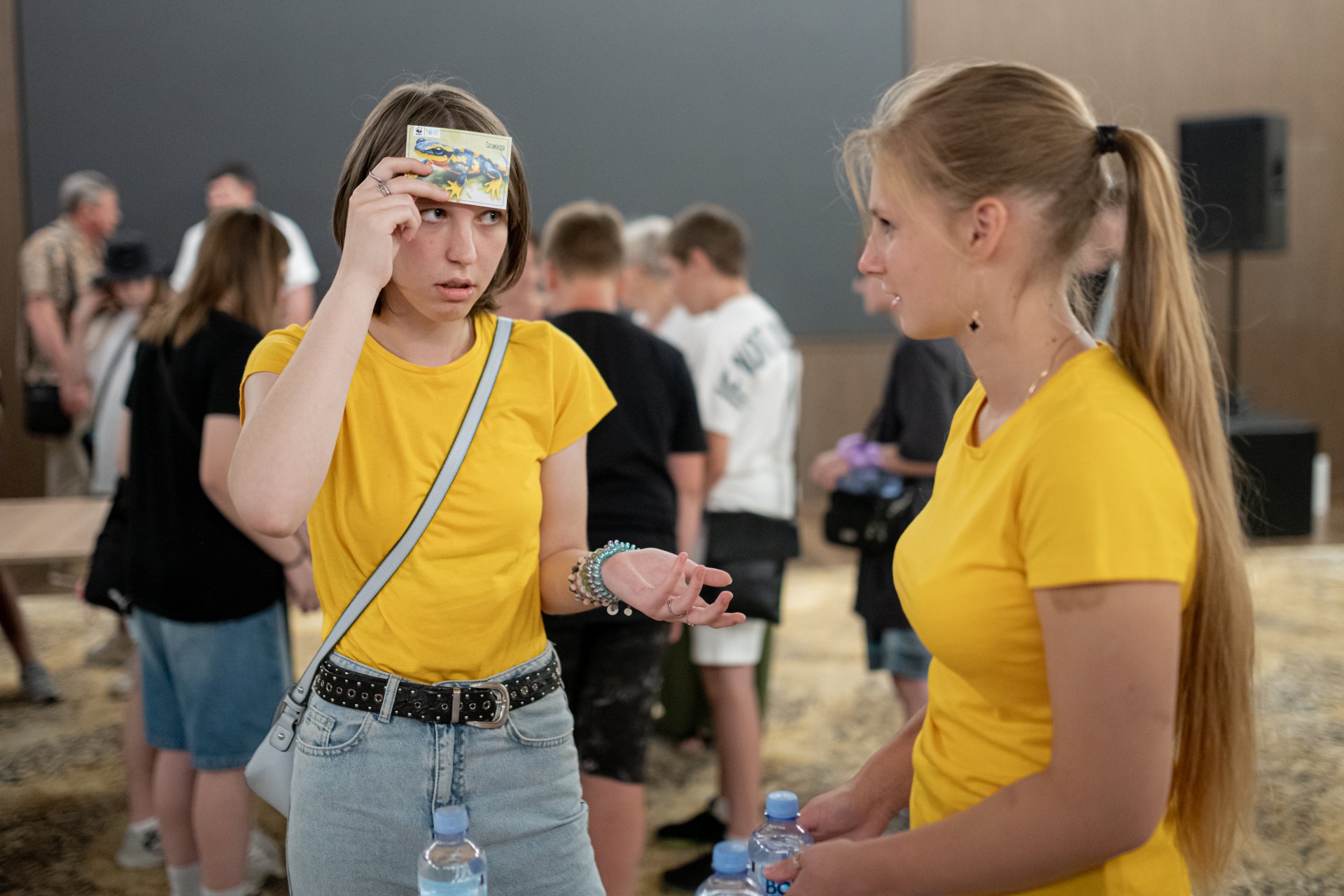
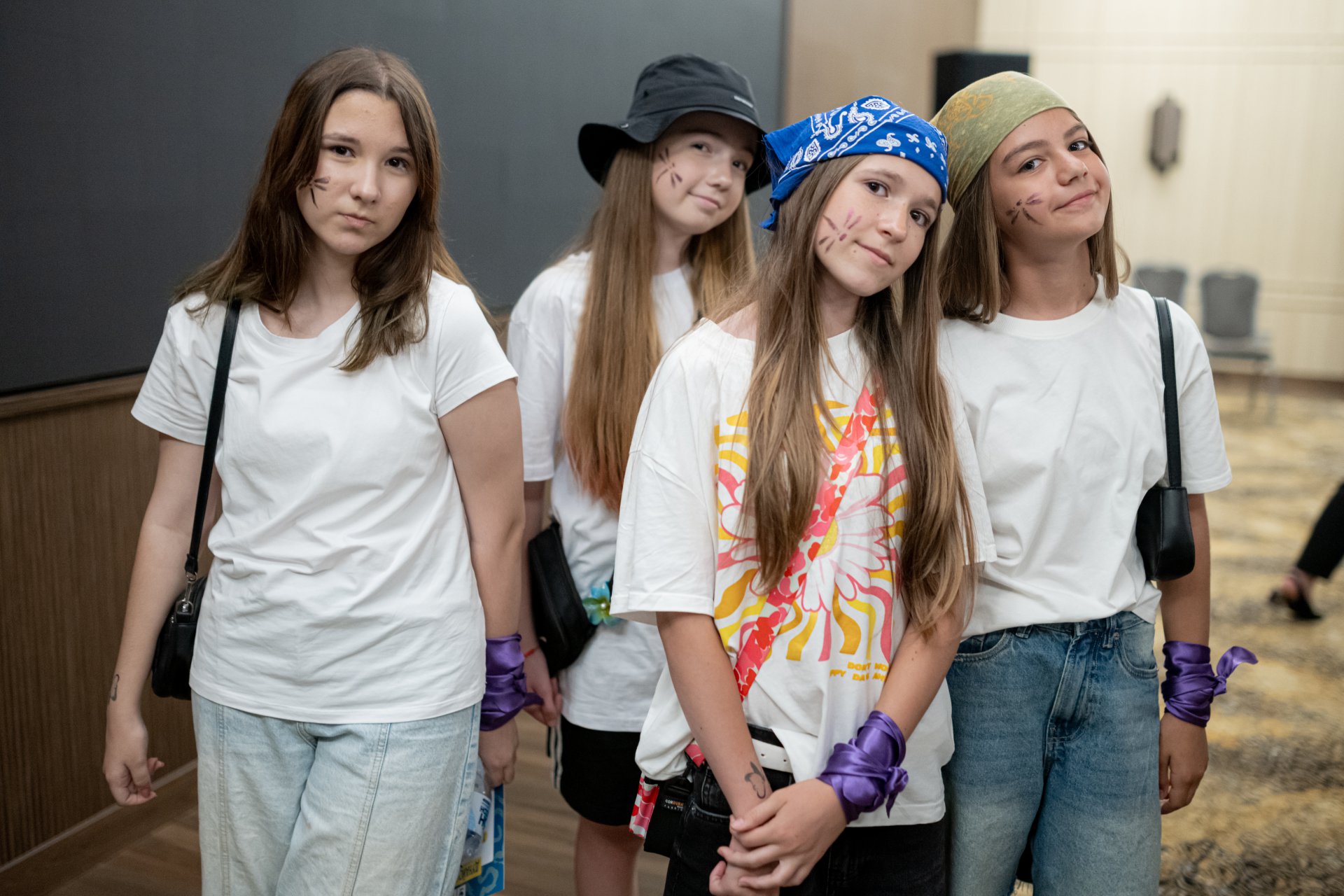
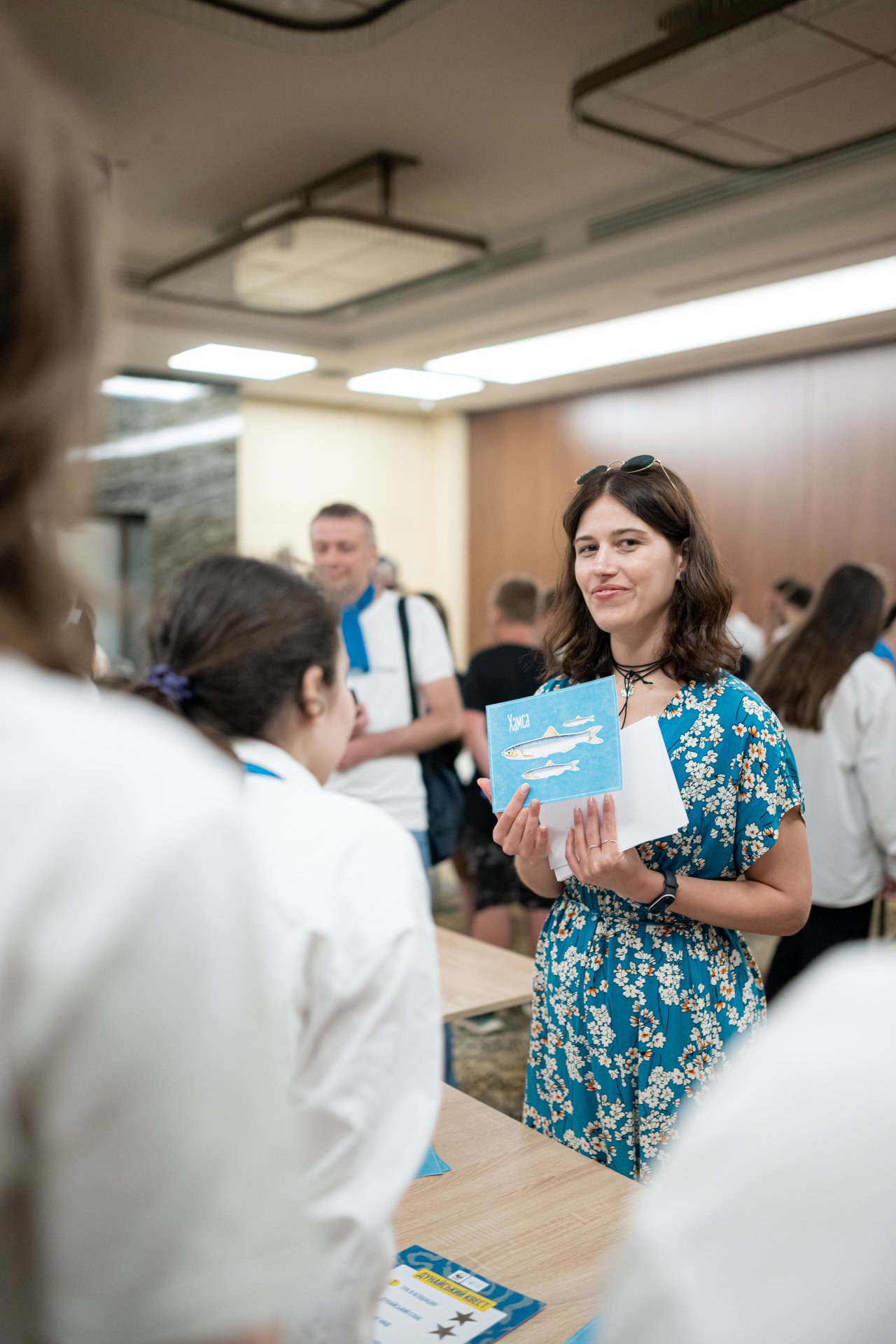
The event featured a lively quiz for ten children’s teams from across the Danube Delta, each consisting of five participants, as well as the award ceremony for the Danube Art Master winner and a presentation of the tasks and goals of JDS5. All participants received Danube Day bags and T-shirts.
Around 120 people took part in the celebrations, which combined education, creativity, and environmental awareness.
The event was organised by:
State Agency of Water Resources of Ukraine, Lower Danube Basin Authority, WWF-Ukraine, and EU4Green Recovery East.
“Despite the war aggression of Russia, we continue to care about our rivers and raise kids’ environmental awareness. Danube Day is an exceptional opportunity to highlight the need to care about one of the biggest rivers in Europe, which strongly unites Ukraine with the European community.” Olena Marushevska, national expert and main organiser of Danube Day in Ukraine